SPOILER ALERT: The following contains spoilers for NCIS: Origins Season 3, Episode 6.
NCIS: Origins Season 3, Episode 6 is the first episode of the season to truly feel like classic NCIS: Origins. “Shot Through the Heart” returns to the framework and character-driven approach that has set the prequel apart from other procedurals. Ironically, that happens in an episode showcasing a character who’s on the fringe of the CBS spinoff, even if he is played by one of the show’s producers.
But some of Origins‘ best episodes have been about giving the spotlight to characters who are lesser known. The Gary Callahan episode is still one of the most memorable in series history, and other TV shows wouldn’t have even bothered devoting a whole episode to a dog. “Shot Through the Heart” is another example, because it’s the story of FBI agent Casey Bloom, whom viewers know is portrayed by producer Sean Harmon. Bloom’s connection to the Origins crew is tenuous: he’s just the partner of Mike Franks’ love interest, Josephine “Joey” Swanson. But by the end of this episode, the team and the audience have a much richer understanding of who Bloom is. Plus, this episode works in the “Gibbs homecoming” that’s dominated the whole season much better than previous installments.
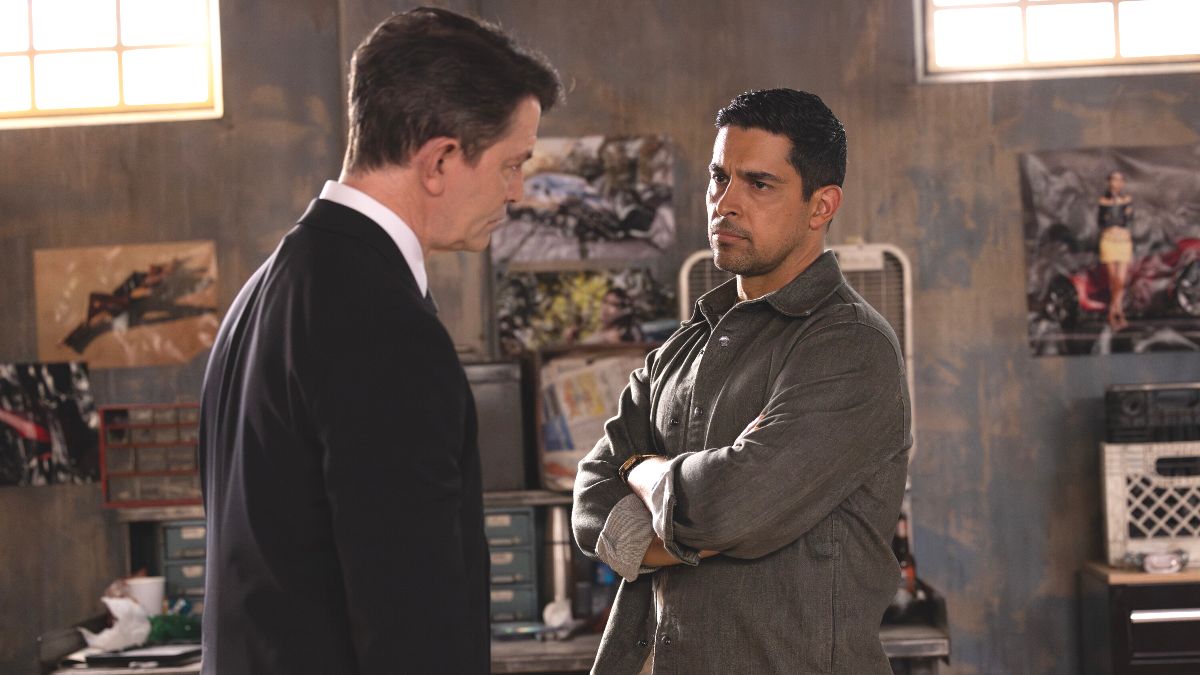
While there aren’t literal flashbacks to Bloom’s past, the audience gets a lot of information about him, after he’s found in Franks’ house wounded. While investigating how Bloom was shot, Swanson and the NCIS team learn he was continuing to work the Steel Vultures criminal organization well after the group knew they had an undercover agent in their midst. It comes out that Bloom blew his cover in order to rescue the abused wife and daughter of the group leader. It’s up to NCIS to stop the bad guy, find the mole in the FBI, and finish Bloom’s mission of getting the mother and daughter to safety. But that arc says a lot about Bloom’s character, as well as Swanson’s relationship with her partner, and the development of her romantic relationship with Franks. (Although some viewers probably felt a sad pang in their heart when Franks mentioned Tish.) Instead of just being Swanson’s partner or a foil to the team, now Bloom is a genuine hero, who risks his life and ultimately loses his career in order to save a woman and child in need. The only downside to this arc is since Bloom is in the hospital almost the whole time, Sean Harmon doesn’t get to take full advantage of all of this poignant character development. It’s only in one fourth-act scene between Franks and Bloom that Harmon gets to show Bloom’s vulnerable side.
Some of the plot points are easy to guess; of course the FBI mole is going to be the one newly introduced character who has very little to do. And it’s no surprise that the villain turns out to be the guy who looks innocent. But that predictability matters less than it would on another crime drama, because NCIS: Origins has so much emotional material to work with. For example, it’s not a huge shock when the abused wife shoots her husband—but the script utilizes that idea to present Franks and Swanson with a moral dilemma, and fans get to see how they react very diffferently to it. Even the scenes where the team doubts Bloom’s innocence don’t feel as cliche, because while it’s pretty certain he’s not a criminal, the audience doesn’t know enough about him to feel entirely secure. “Shot Through the Heart” doesn’t have a single scene that feels like filler, even when Franks is getting too close to Bloom’s pet bird.

This is also another Origins episode where all the details click together by the end. The Top Gun-esque beach volleyball scene at the beginning seems like it’s just comic relief, until it becomes clear why Bloom wasn’t playing on the FBI volleyball team. Mary Jo interrupting a brainstorming session with food could likewise just be a gag, but she quickly plays an important role in getting valuable information. There’s an appearance by a younger Tobias Fornell. And where the music choices were starting to feel tangential, in Episode 7 the use of Bon Jovi’s “You Give Love a Bad Name” fits perfectly with the plot, and the song itself is worked into the episode in a more effective way. It’s natural, instead of “here’s the obligatory playing of the song we named this episode after.”
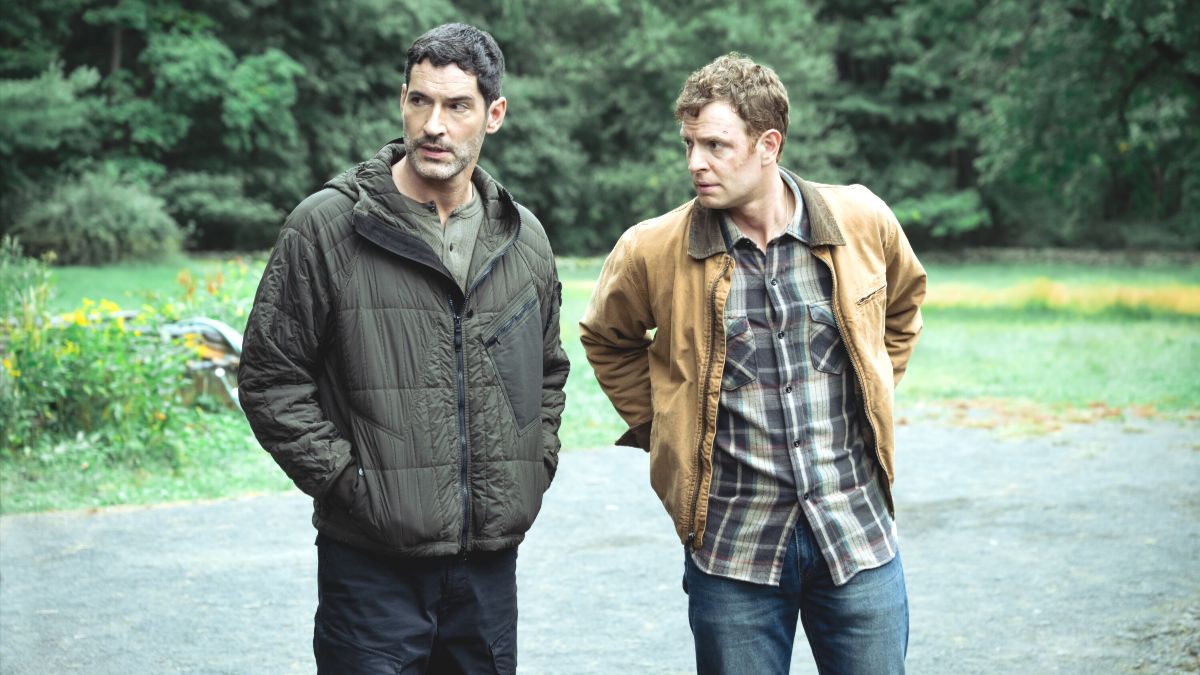
And speaking of legacy characters, “Shot Through the Heart” is the first episode where the Mark Harmon-led sequences are truly integrated into the core plot, instead of feeling like bookends. It’s delightfully trippy in general to see Gibbs’ dream sequence blending the present and past timelines, with Harmon’s Gibbs coming face-to-face with Mariel Molino’s Lala and both versions of Franks. But this episode spells out definitively not only that Lala is alive, but how she was able to hide, and it makes perfect sense with what audiences know about Lala, Franks and Gibbs. Plus, the older Franks making a comment about Gibbs talking to the woman who knows him best suggests that Origins may be about to do another Mary Jo episode, which would be incredibly welcome. For all the promotion that’s been done about Harmon’s return—often overshadowing the actual core of the prequel—this episode is where it all comes together, and it does so in a way that feels right. Now audiences have a clear idea of what the arc for the rest of NCIS: Origins season 3 is, and they can just get excited about the inevitable reunion between present-day Gibbs and Lala.
NCIS: Origins airs Tuesdays at 10:00 p.m. ET/PT on CBS. Photo Credit: Courtesy of CBS.
Article content is (c)2020-2026 Brittany Frederick and may not be excerpted or reproduced without express written permission by the author. Follow me on Twitter at @BFTVTwtr and on Instagram at @BFTVGram. For story pitches, contact me at tvbrittanyf@yahoo.com.