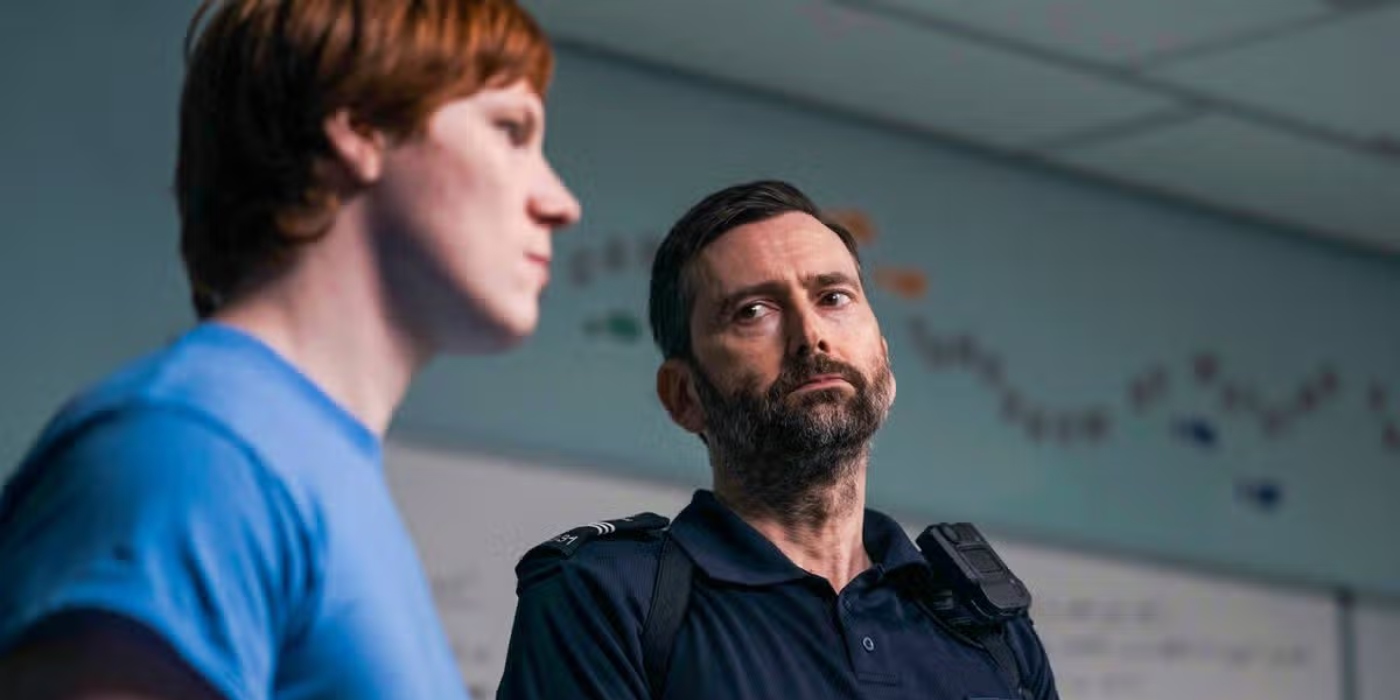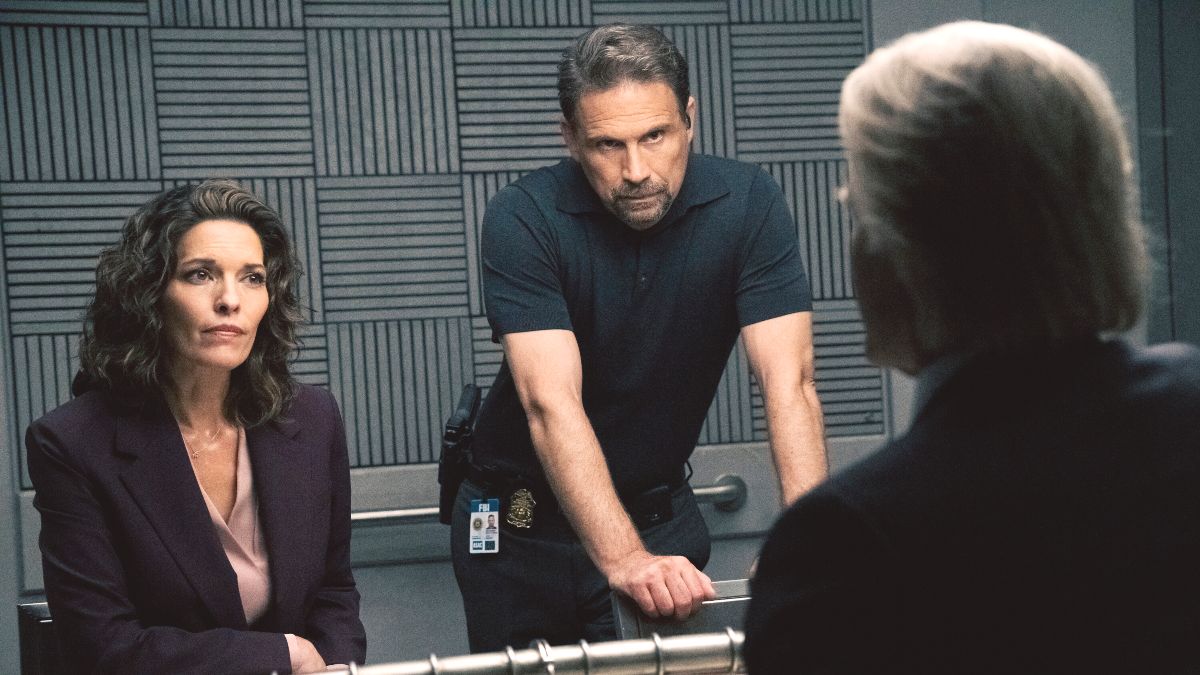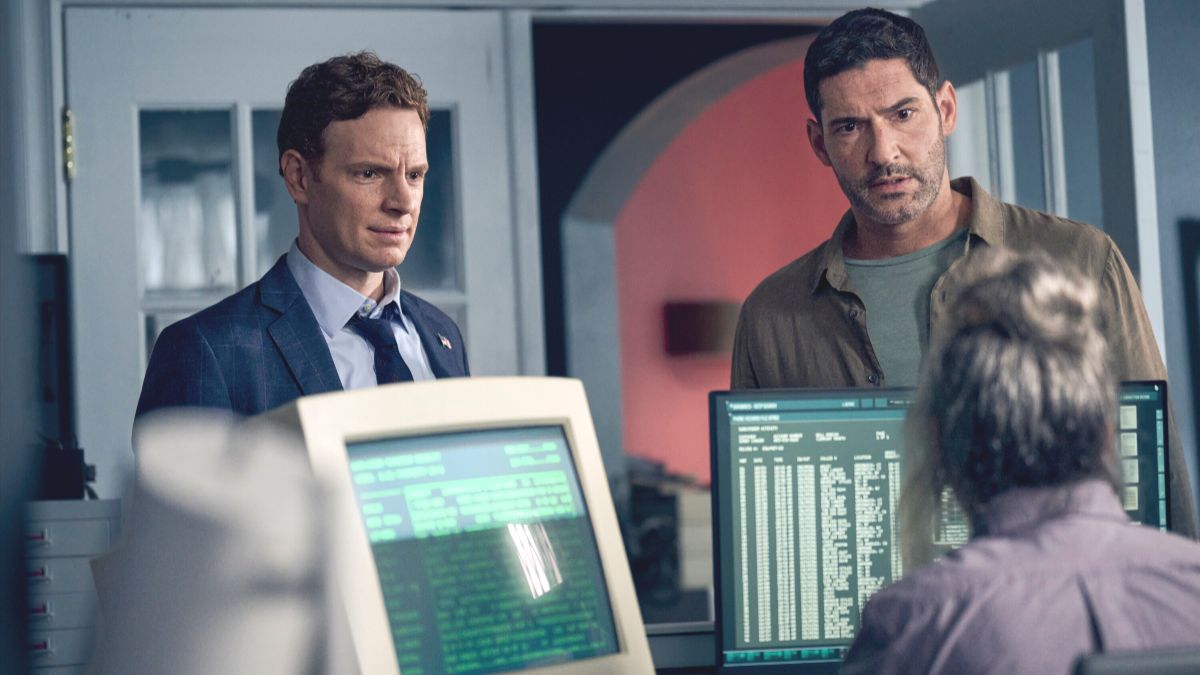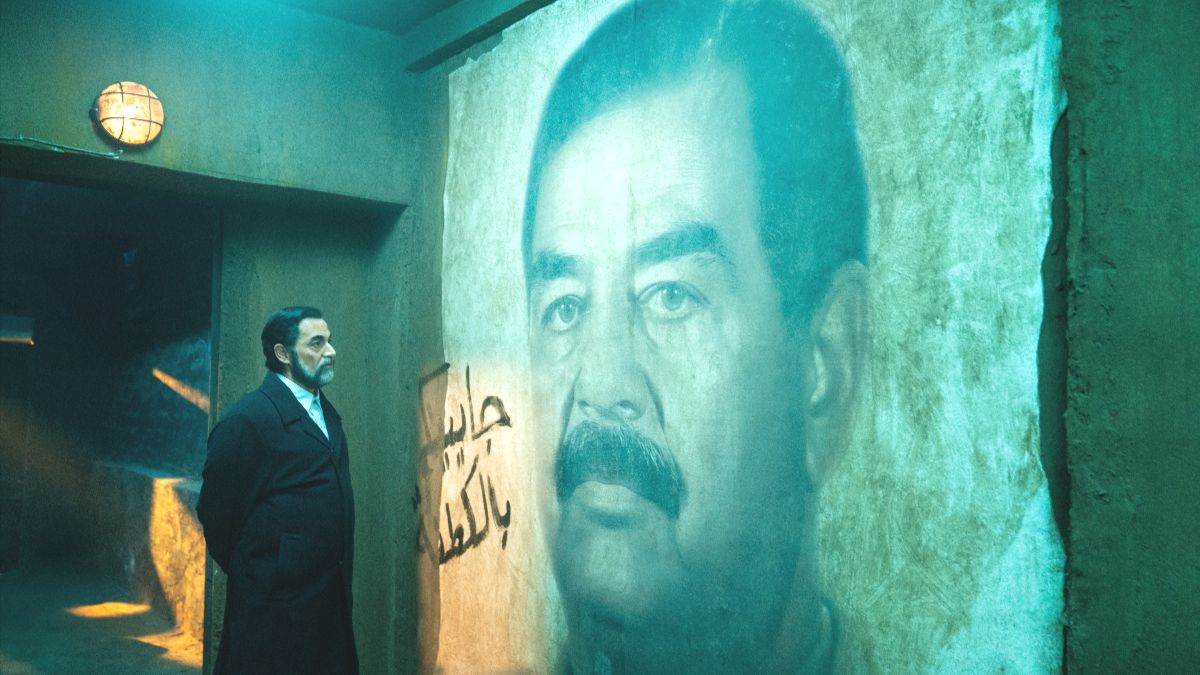
Waleed Zuaiter has been compelling as Saddam Hussein in TNT‘s High Value Target: The Hunt for Saddam. He’s taken someone whom most TV viewers only know from news headlines, and prompted them to look at him from all sides. It’s an admirable performance, and it almost didn’t happen at all.
In an interview with TVBrittanyF.com, Zuaiter revealed why he originally didn’t want to portray Saddam Hussein. He spoke about how he navigated his feelings toward Saddam to step into the part. Plus, he discussed how his memorable role in Chicago Justice compared to his work almost a decade later on High Value Target.
Brittany Frederick: What was it that convinced you to take on the role of Saddam Hussein in High Value Target: The Hunt for Saddam? Was there something in the show that you responded to?
Waleed Zuaiter: I didn’t want to pursue it, honestly. I turned down the audition a few times, because I I grew up in Kuwait and I was in Kuwait when Saddam invaded—I was 18 years old—so I had a bit of trauma related to it. You don’t realize you have that until you’re asked to play this larger-than-life character. The fear creeps in, and you’re just like I have a personal relationship to to this man. He was on my TV screen as, looking outside the window, you see Iraqi tanks coming in.
So it was a process. I guess I was meant to do it for whatever reason, to kind of deal with this fear, but it’s a big responsibility too. It’s a very big responsibility. I wanted to do it justice because I respect history, and I respect Iraqis and Arabs and the world at large [knowing] what this tyrant has done. But I had to find the humanity behind it all, and so it was a real process—and with very little time.
I had a month to prepare, and I had a month to put on a lot of weight, and to really battle those demons and fears. You have a lot of doubts and a lot of insecurities going into it.
The crux of the show is the dynamic between Saddam and John Nixon, as played by Imperfect Women‘s Joel Kinnaman. What was that part of the process like, collaborating with Joel to navigate that relationship?
I had some really great conversations with the real John Nixon, and John Nixon is such an incredible human being. He really helped me understand Saddam more, but also that dynamic between the two of them. He talked to me a lot about those conversations that they had, and reading his book was also very, very helpful.
Joel and I have acted [together] before, so we have a shared history working together and friendship. And so there was some familiarity there. But we were also just thrown into this situation, and so a lot of it was feeling each other out, having a sense of play and trust.
There were some very extreme circumstances with the conditions that we were filming in, from the unfinished sets and just the difficulty of a Western production filming in Egypt. There’s just a completely different way of how they do their work… There was a lot of trust and a lot of sense of play, and play is not always fun.
Almost a decade ago, you guest-starred in the Chicago Justice episode “See Something,” which also dealt with the topic of terrorism and how we perceive it. How did that experience compare to this one, given that it’s the same discussion but ten years later on?
When it comes to to subjects of terrorism and stuff that we watch on the news all the time. I’m just a big fan of humanizing those experiences, whether it’s Saddam or whether it’s that character in Chicago Justice. And humanity is not all good. Humanity is the good and the bad. So what I find interesting is that there’s there’s always another perspective. There’s always another window to the truth—and it’s not all what you see on the news.
There’s so much more to Saddam Hussein than what we’ve seen on the news. In many ways, the West has made him out to be this caricature. But when you study the man’s childhood and when you study his politics and and the work that he’s done—for example, all the work that he’s done for Iraq in the ’70s. Iraq was the example to follow in the Middle East, in terms of being number one in education, number one in healthcare and real estate, and every other sector… You can call somebody evil, but that doesn’t mean that evil people don’t do good things, and vice versa. You know, there’s some saints that will do very horrible, evil things. In this world that that we’re living in right now, it’s tricky.
High Value Target: The Hunt for Saddam airs Sunday at 9:00 p.m. ET/PT on TNT. Photo Credit: Courtesy of TNT.
Article content is (c)2020-2026 Brittany Frederick and may not be excerpted or reproduced without express written permission by the author. Follow me on Twitter at @BFTVTwtr and on Instagram at @BFTVGram. For story pitches, contact me at tvbrittanyf@yahoo.com.