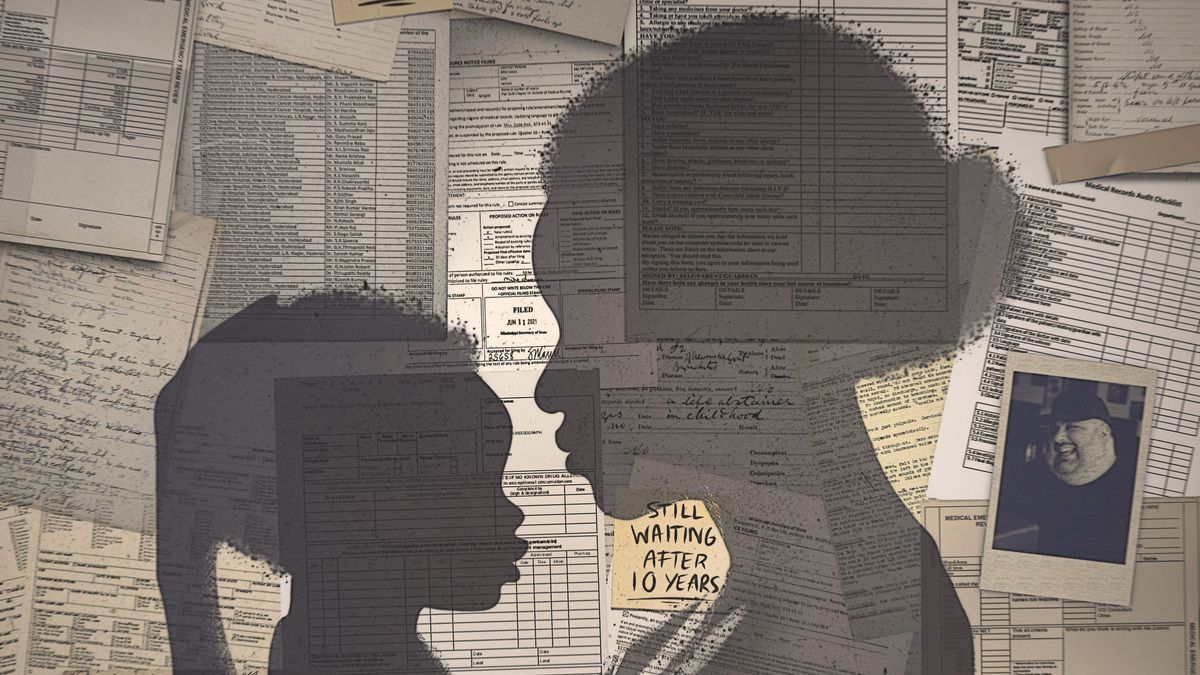
Michael Joseph McDonald’s movie 6,000 Waiting is a documentary produced by the Georgia Council on Developmental Disabilities and L’Arche Atlanta, which means the film has a very narrow scope. It exists to advocate for a specific group of people. But its message is one that can, and should, reach a much broader audience.
The purpose of the documentary is essentially spelled out in the title, which refers to the thousands of Georgia residents with developmental disabilities who are on a statewide waiting list for the assistance they need in order to live independently. McDonald illustrates different versions of this story by following three people who are on the “waiver” list: Ben Oxley, Nick Papadopoulous and Noah Williams, who is represented by his mother Naomi. This is a case study-style documentary, with statistics on-screen throughout to put the subjects’ comments in context.

6,000 Waiting shifts between Ben, Nick and Naomi/Noah’s stories, as each explains their daily lives and the challenges they’ve had to overcome. It’s no spoiler to say that the film is a difficult watch in places, because it’s meant to provoke a reaction in the viewer. Moments like reading that Naomi gets labeled a hypochondriac by one nurse for checking her own blood pressure are so ludicrous they’re appalling—which is McDonald’s point. There’s also archival footage of mental institutions that might be upsetting to some viewers. But the whole point of the film is to send a message, and it does that honestly and efficiently.
The half-hour runtime ensures that the movie doesn’t drag out these stories longer than necessary, and there’s a minimum of intrusion from the filmmakers. Any editorializing comes from those on-screen stats or text providing additional facts. Otherwise, Ben, Nick and Naomi get to tell their own stories in their own words. The best part of the film is as much levity as it gets, when Ben explains the entire “waiver list” issue direct to camera, with some handy illustrations that are low-budget charming, The appearance of the Batman logo is laugh-out-loud perfect. But that’s why this movie works: it takes a complicated subject and brings it down to an individual level that viewers can understand. It has the scrappy feel of a student documentary, instead of a polished public service announcement, further keeping the viewer in the moment.
6,000 Waiting originally premiered in 2021, which prompts the question of how much has changed since then. But in 2026, when audiences are seeing debates over all kinds of groups from women’s rights to immigration, the movie also hits differently. It’s even easier to relate to because viewers are more aware of how many people struggle to be seen and heard. Stories like these are no longer isolated. While this film focuses on one marginalized category of people with developmental disabilities, its message is universal: everyone should have the opportunity to make a life for themselves.
The film isn’t without its areas of improvement, but the biggest hurdle comes from whether or not the film is trying for that wider audience. In a general sense, it’s an awkward choice to have the documentary begin with both Ben and Nick talking about how the South is better than other communities, because it’s not great to start from any negative, and that may put viewers who are from those communities on the back foot. It would have been a stronger choice to perhaps begin with Ben’s “waiver list” explanation—not only is that a great factual starting point, but it’s funny and charming and would immediately engage the viewers. Also, there are some small questionable editing choices; does the film need to include Ben telling everyone his father mows their lawn naked? It’s not that funny. And there’s a major typo in the on-screen text at one of the movie’s biggest moments.
But in general, 6,000 Waiting accomplishes its aim of showing how state bureaucracy keeps people with developmental disabilities from living a normal life. And as McDonald briefly alludes to, the lack of care for those with disabilities of any kind is not unique to Georgia. It would be interesting to see if 6,000 Waiting could be a springboard for McDonald or another filmmaker to make a larger project about disability in the United States and connect with a broader audience. This film may have been commissioned to help people in Georgia, but it’s compelling enough to engage audiences from other states and get them wanting to ask their own questions.
It’s also a missed opportunity not to at least include some kind of further resources or a call to action in the end credits—McDonald has emotionally captivated his audience, so why not reach out to them, too? With 6,000 Waiting, McDonald and his creative team have created something that is thought-provoking without being preachy, emotional without becoming melodramatic. It’s a worthwhile watch, no matter where you live.
For more on 6,000 Waiting, visit the film’s page on IMDb. Photo Credit: Courtesy of the filmmakers.
Article content is (c)2020-2026 Brittany Frederick and may not be excerpted or reproduced without express written permission by the author. Follow me on Twitter at @BFTVTwtr and on Instagram at @BFTVGram. For story pitches, contact me at tvbrittanyf@yahoo.com.