Debuting in 2021, Time proved to be something of an unexpected hit for Jimmy McGovern. The first series of the show focused on a newly imprisoned man named Mark, whose dynamic with the prison officer Eric McNally is complicated by their own secrets. Starring Sean Bean and Stephen Graham, the show earned rave reviews and a solid number of awards. The subsequent season moved into a far more grounded character drama by embracing an anthology approach, with Jodie Whittaker, Tamara Lawrance, and Bella Ramsey all dealing with being sent to a women’s prison in a three-pronged story about loss and life.
The third (and reportedly final) series shifts the focus to a youth prison, adding plenty of dramatic potential to the underlying premise by focusing on disadvantaged and damaged teenagers. Bolstered by some genuinely terrific performances (including an all-time great and perfectly understated turn from David Tennant), Time reinvents itself once again with an ensemble drama about morality and mortality that will break your heart. If this is truly the last season of Time, then it’s at least going out on a high note.
The Third Series Of Time Is The Best Yet
The prison drama anthology focuses on a different cast and story each year, with an overarching thematic focus serving as the real connective tissue between the seasons. After the first two batches of episodes focused on prison for adults, series 3 is focused on a Young Offenders Institute known as Alderwick, where a well-meaning but compromised prison officer Billy, butts heads with his superiors and the local Chaplain, Marie-Louise, over the facility’s treatment of the teenagers they have in their custody. This is all complicated by the death that happens behind those walls, something Billy finds himself wrestling with long after the deed is done.
As with the previous years of the show, Jimmy McGovern’s writing is spot on and powerfully tragic, without ever becoming overwhelmingly dour or melodramatic. Although there are some very blunt moments (including a death in the third episode that almost veers too closely to gallows humor due to its sheer sudden nature), the show largely spends time fleshing everyone out and giving their motivations a real sense of humanity. He and Samuel Bailey are credited with all three episodes, which gives the leads a morally thorny set of challenges that never lets anyone slide into parody or caricature.
Even the show’s more one-note characters still come with a layer of believable complexity, rooted in their own fury and frustrations. There’s a grounded brutality and a realistic sense of heartbreak to the show, which shouldn’t be surprising given the tone and tenor of the last two series. However, the focus on young offenders whose lives are cut short or broken by these experiences adds an even greater sense of tragedy to everyone’s arcs. Building on the storytelling mechanics that were honed in previous seasons, Time has grown into one of the most effective dramas in the modern BBC and BritBox library.
Time’s Cast Makes The Heavy Material Sing

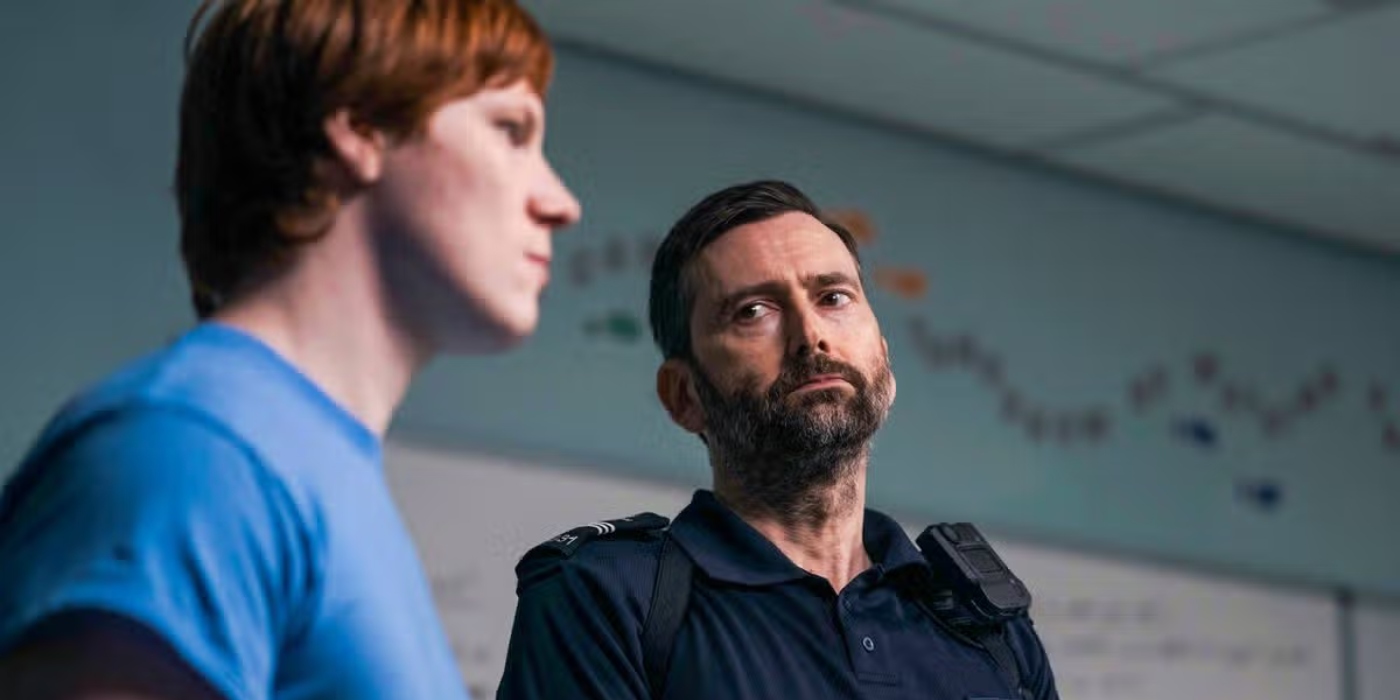
As with the previous iterations of Time, the real draw is the cast that’s been assembled for the show. David Tennant has always been at home in dramatic crime fare, with shows like Broadchurch reveling in giving the iconic former Doctor Who star a meaty and dour character to play. Time is no different, with Bobby Bailey coming across as a conflicted, flawed, but ultimately good man caught in harsh circumstances. His moral struggles with a secret that could ruin the institution (and destroy the careers of himself and many of his friends) are some of the most compelling elements of the show, providing a real sense of stakes to the character’s moral handwringing. It’s a performance that only really works because of those moments of vulnerability that Tennant brings to Bobby, delivering an all-time great performance that stands tall amongst his other accomplishments.
He’s contrasted quite well by the show’s primary mainstay character, Siobhan Finneran, who gives Marie-Louise’s struggles with her faith and her unyielding hope in humanity a real sense of heart. It contrasts well against Bobby’s internal strife and his moral calculations for his own well-being versus what he knows is right. The cast is filled out with other strong supporting turns from the likes of Louis Shelton, Chukwubuikem Molokwu, and Ollie McNulty, delivering heartbreaking turns as some of the teenagers caught in the system. These characters could easily feel maudlin or basic, but Time‘s deft scripting and grounded performances keep it feeling painfully real.
As reported by Liverpool Echo, Jimmy McGovern has claimed that Series 3 will be the final iteration of the acclaimed drama. If true, then the Tennant-led year is a high mark to go out on. Time might not be for the faint of heart or ideal for audiences in desperate need of a pick-me-up. However, the real sense of heartache and resilient humanity gives it a powerful core that’s hard to ignore. The relatively stand-alone nature of the show means this drama is just as effective for newbies as it is for audiences who checked out the previous two years — meaning any drama fan should check out Time, regardless of experience with the property.