Terry Blade’s My Gender Is Black is the epitome of experimental cinema. It’s a documentary that intentionally defies any attempt at defining it—which may confuse or frustrates some viewers looking for a clearer narrative. But it also invites the audience to make definitions and have thoughts for themselves.
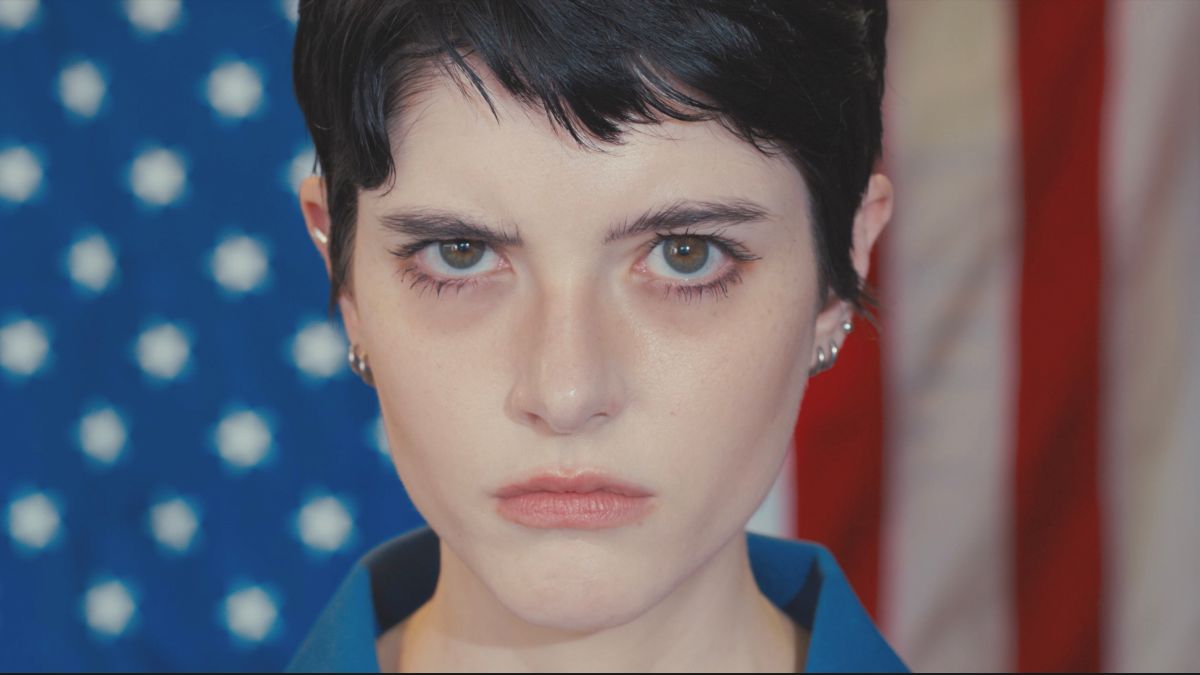
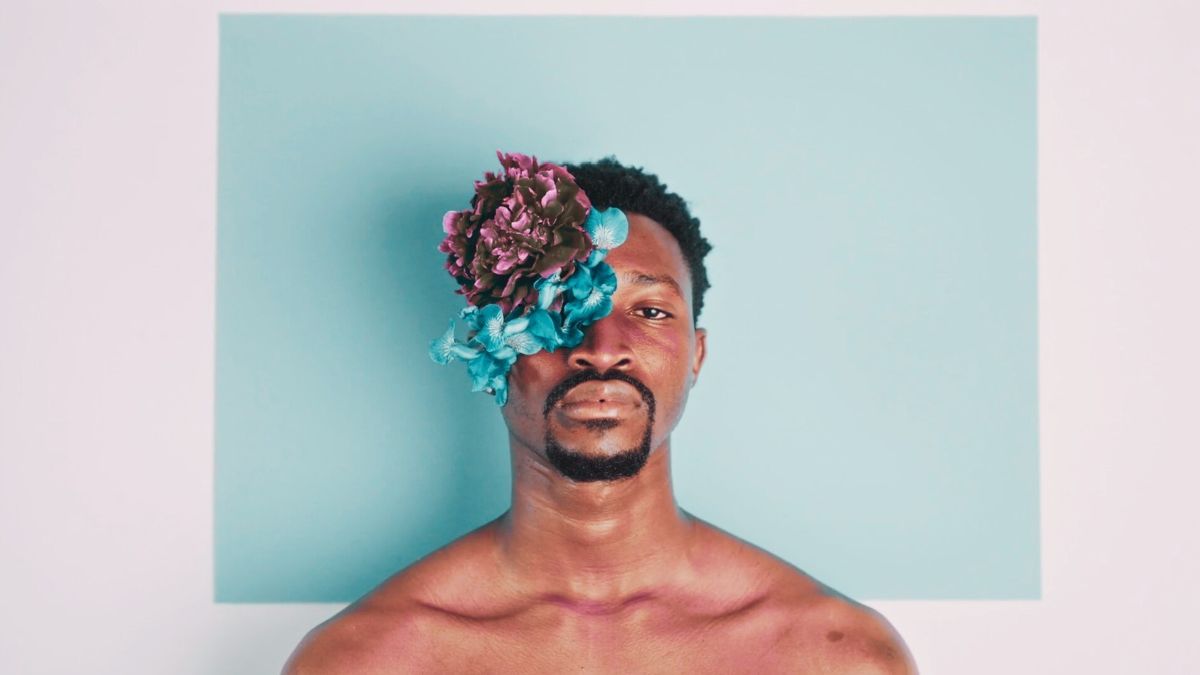
The film mixes several different styles, reflective of Blade’s career as a whole. There’s a selection of interviews and soundbites, which frame almost mini-chapters as the rest of the film is more visual. There’s a segment of black and white portrait photography. There are visual art pieces in the desert and on a rooftop. The final act is a wonderful and poignant dance sequence. At no point does the movie tell the audience what to feel; in fact, it ends rather abruptly. The viewer has to fill in the gaps, and there’s something genuine about that. There’s the silence and space to hear the words, to see the images, and then to interpret them individually.
But it’s a bit of a catch-22; the biggest hurdle for My Gender Is Black is that lack of definition, which can be mistaken for a lack of clarity. Unlike the movie itself, the description of the film is filled with overly complex phrasing that creates a certain barrier to entry, because the viewer can read it and not entirely be sure what it’s trying to say. And certainly, there are things Blade wants to say, but that’s not all that the movie has to offer. Viewers who are willing to look past that complicated first impression will find a movie that’s more accessible than they think.
What interested me about My Gender Is Black was if I could connect with the film as someone who is not part of the Black community, or if it would be another documentary that is very specific to one audience and one experience. There’s a tendency when highlighting marginalized groups to be so specific that there’s less for the outside audience—the very people the filmmakers are trying to educate and inform—to hold onto. With this project, Blade has made a movie that elucidates the Black queer experience, but it can be appreciated by anyone, regardless of race, gender or orientation. For example, the comments made about Black masculinity are not isolated to Black men; they’re something a lot of men can identify with. And as purely a piece of art, the film is wonderful to look at. Each sequence is markedly, purposefully different from the next, with separate music, camera angles and color choices. From a production angle, this film is very busy—maybe a little busier than it needed to be.
But ultimately, past the rap beats and the interesting technical choices, the bottom line is the message that the film conveys. Does it deliver on those big ideas Blade put forth in his artist’s statement? It’s hard to say because so much of it is new. Viewers may not know anyone who’s interviewed for the film (save archive footage of James Baldwin), and My Gender Is Black doesn’t offer any context to explain why they’re there. But the flip side of that is asking, does it matter? Is it less about who’s speaking and more about what they’re saying? And more importantly, what the audience is saying to themselves as they move through the film?
That provides the narrative framework that My Gender Is Black is intentionally missing. It gets the viewer to think on their own definitions and also how they judge people in general. In that sense, the film is a success. It provokes introspection and perhaps even conversation. It’s not a documentary that could sustain itself over a full 90-minute run time; it would need more than brief interview clips for that. By limiting himself to 20 minutes, Blade gets the audience to buy into the visual journey. He’s trying a whole host of different approaches to see what sticks. His willingness to push boundaries is admirable from a technical standpoint, but it also works on a narrative level because it forces the viewer to be an active participant. They may get lost, they may get impatient, but they have to engage. And that’s more effective than sitting back and being talked to. This movie won’t be for everyone, but it’s certainly worth trying.
Photo Credit: Courtesy of Terry Blade/Blade Arthouse Media.
Article content is (c)2020-2026 Brittany Frederick and may not be excerpted or reproduced without express written permission by the author. Follow me on Twitter at @BFTVTwtr and on Instagram at @BFTVGram. For story pitches, contact me at tvbrittanyf@yahoo.com.