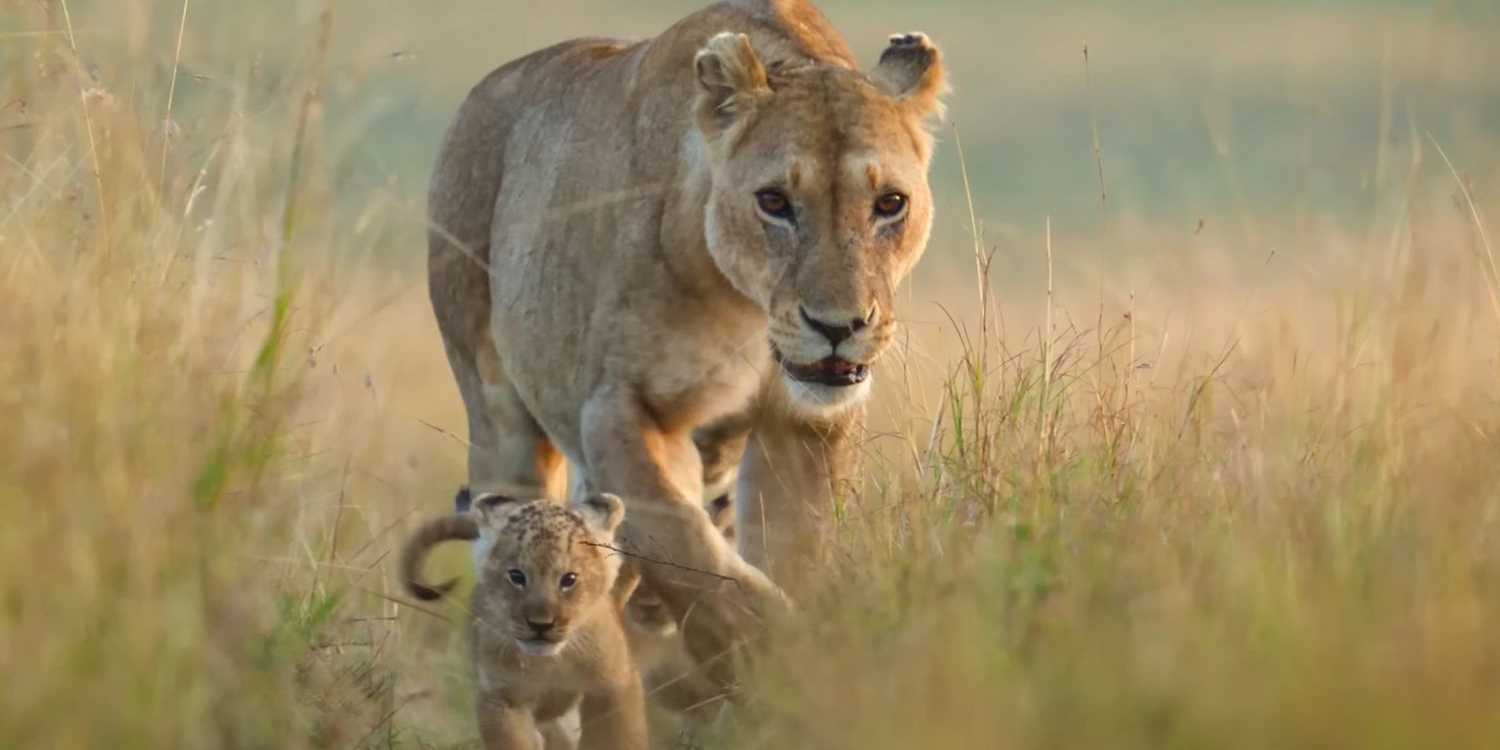
In the years since he directed the realistic-looking remake of The Lion King, Jon Favreau’s interest has remained firmly with the animals. This led to his first documentary project, the National Geographic mini-series Lion. Following the growth of a young cub into a mighty lion, the series plays out like a real-life Lion King. A big part of that was due to the incomparable access the team had, with a large crew headed by several directors (including Faith Musembi) spending four years on location, filming the animals.
The result is an emotionally effective story centered around Kio, which is in large part due to what the crew was able to capture on the day of. During an interview with TVBrittanyF, Faith Musembi – – one of the four credited directors on the project – – reflected on the biggest surprises of filming Kio’s maturing from cub to lion, working with multiple directors on a single story, and the underlying concern that comes with filming an animal breed that tends to have a high infant mortality rate.
TVBF: This was a massive production, even when compared to other documentary films and shows. You were one of several directors on this shoot, all threading together a central narrative around this cub’s growth into a lion. How did you approach finding that central core?
Faith: I mean, for starters, we had some of the best people working on it. Everyone was on their A-game. There were lots of moving parts, and one of the ways to make sure that we were all on the same page was constantly updating each other. No matter which director was out on location, you’re sending updates every week. This happened with this character, and then obviously the big question is: how did we track Kio’s story from beginning to end?
When we first started filming, we had done a lot of research, so we were prepared. But then you have to adapt when you get on location, you start filming, and you start realizing that as we filmed Kio doing this and that, he was still alive. He hasn’t died, even though lion cubs have a high mortality rate. You realize he’s the one that’s going to grow the most out of everyone. When you add to that that it’s really difficult to film a lion male’s story because they tend to disperse once they’re sexually mature. They leave. You never see them again.

In being able to keep track of everything we’re filming, we saw him going through all these different changes that made it very obvious what the story had to be. [The key] was communication across all the shoots. That helped us be able to do anything with cohesion. And obviously, we had Jon Favreau, who’s got such a deep connection to this. He’s such a documentary fan. He’s spoken so often about how much these kinds of films impacted his own approach to stuff like The Lion King. He really helped.
What stood out about this production compared to other documentaries you’ve worked on?
Lions have been filmed a lot. Trying to film them in a way that was immersive, where you could see a close-up of their face when they were moving, that’s what stood out to me [about Lion]. That challenge was figuring out how we approach this task of immersing everyone in the Lions’ world.
I’ve been doing this for a little while, so I’d used most of the cameras before. This time, using them in the way we were, that was a bit of a revelation for me. It made it fun because I love learning new things. I love being challenged out on location, especially when you you think you know what to expect.
What would you call the biggest surprise of your experience on Lion?
Being able to film Kio’s story. If someone had told me, “Oh, we’re gonna be able to film this male lion cub from beginning to end, I would have been like, “I don’t think so. I think we’ll film him until maybe he’s two, and then we never see him again, and then we’ve got a story with no ending.’ Being able to spend all this time with Kio, from when he’s young to when he becomes a part of the coalition, spending that much time with these males who are dispersing again – – that is something you normally never are able to do.
When males disperse, they go everywhere. They’re moving across vast territories. Unless one of them is collared, you can’t follow them. The lions weren’t collared when we were filming. Being able to actually [follow Kio] was mind-blowing. The fact that we are able to tell this story is unbelievable.
Lion is now streaming on Hulu.