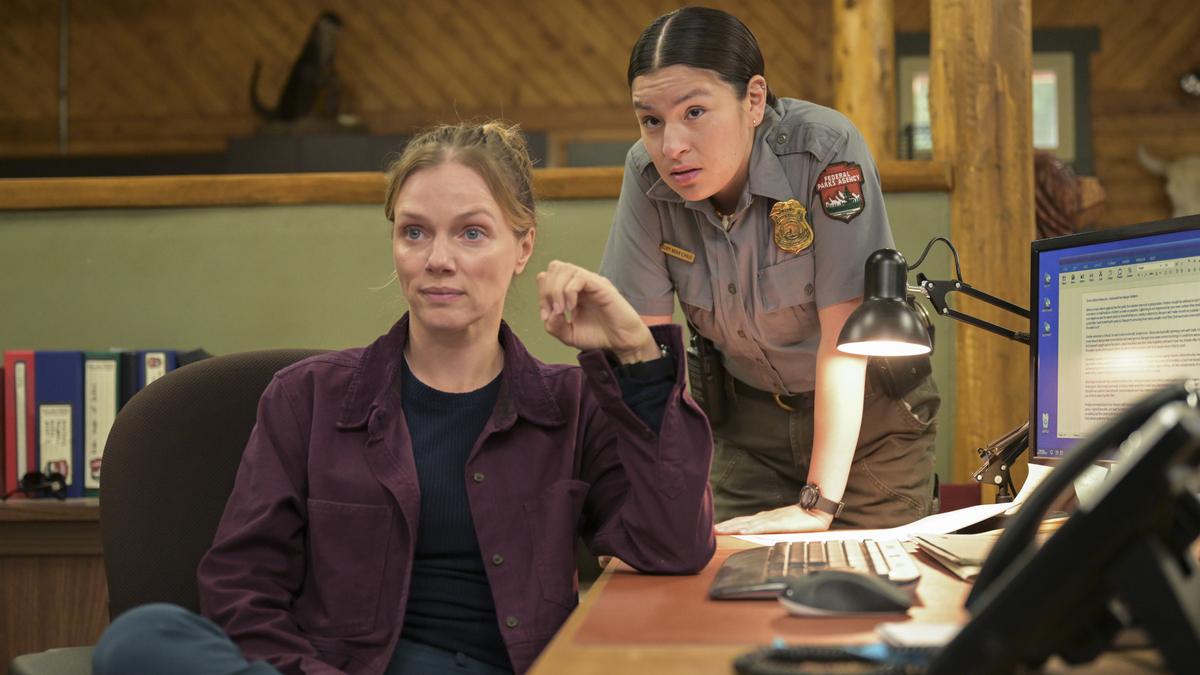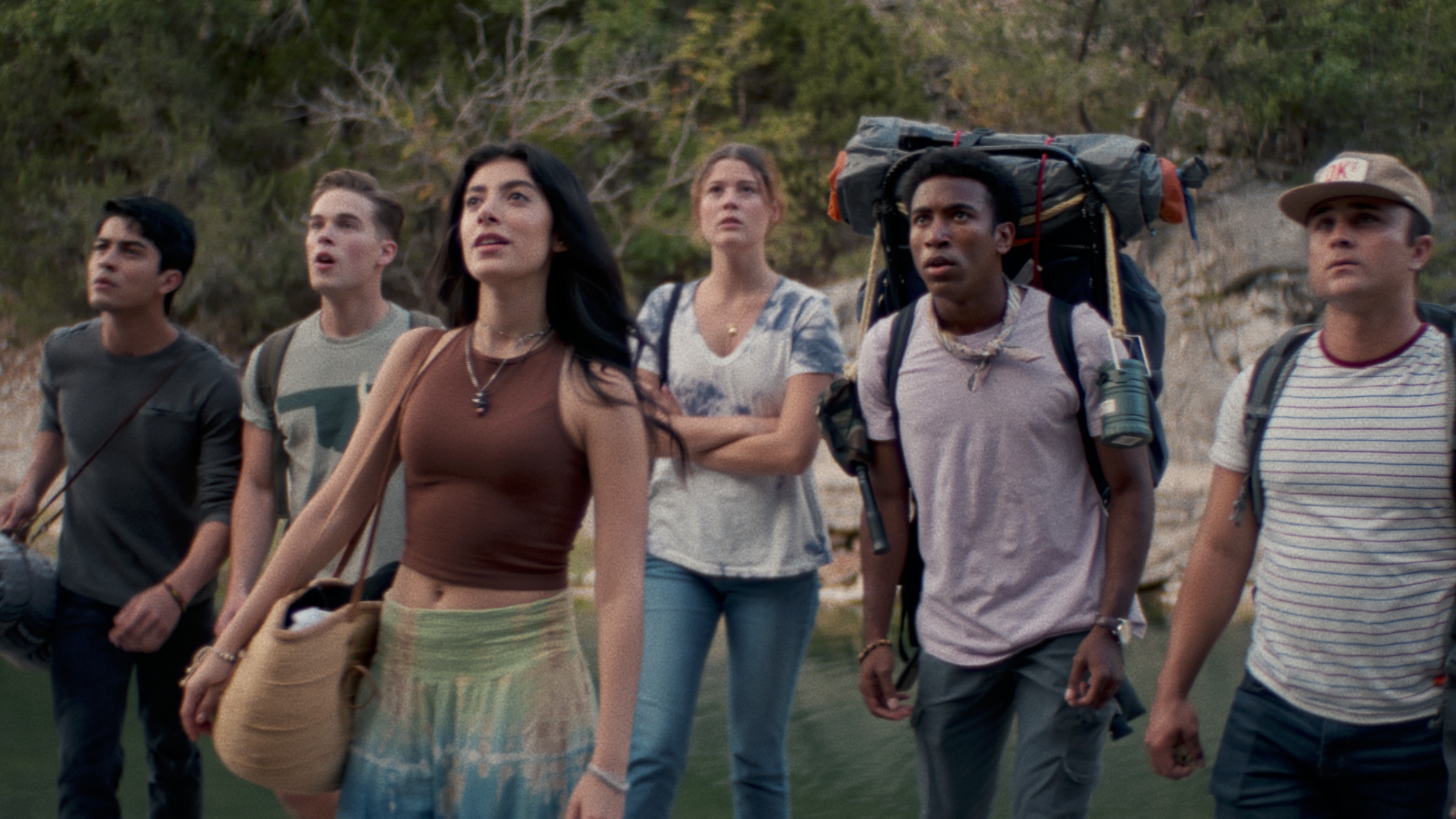
Directed by Kyle William Roberts, Better Together is an emotionally charged film about the importance of coming together to overcome what holds us back individually. The film focuses on a group of teenagers who, already dealing with their own hang-ups, are confronted with a fresh tragedy. This unites them on an unexpected mission to find a mysterious landmark in the wilderness.
The film was very much a labor of love from the filmmakers and cast, something that producer Kim Dawson has plenty of experience with. During an interview with TVBrittanyF, Kim Dawson reflected on what made Better Together such an important project for him, reminisced on the lessons of making the original cinematic Teenage Mutant Ninja Turtles, and how the film served as something of a communal therapy session for test audiences.

TVBF: How did you get involved with this particular film? What made it something that you wanted to be involved with?
Kim Dawson: Better Together was the result of my friend Kyle Roberts’ efforts in writing. He called me and asked me if I would come to Oklahoma and meet some of his people who were interested in this film. This was late 2021 or maybe early 2022, when COVID was just winding down. I went up to Oklahoma, checked it out, found that I found the script was pretty together, and we started raising money.
Kyle was a young man whom I had tracked for about three or four years because of his work in claymation. He had done stop-motion; he’d done this really amazing stop-motion trailer of the early TMNT trailer. I don’t know if you’ve ever seen it, but it’s a frame-for-frame recreation of the first Turtles trailer that he did in stop motion using toys, and it blew my mind. So, when I saw that, I said, ‘Obviously, you have some high skills here,’ and then he started telling me about his stories about young people.
Kyle has earned the respect to be heard, and he’s done that by virtue of making not only Nickelodeon content, but also lots of kids’ content for toy companies like Hasbro and Mattel. He made this really great commercial. I don’t know what you’d call it; it was a reality show about Nerf guns, kids playing Nerf games. He’s always been dialed into young people. When I read the script, I thought this was a film that ought to be told. It’s a story that encapsulates a range of issues that face young people on a daily basis, and that seemed pretty authentic to me. I felt like it was worthy of being told on film.
So many projects, when they’re targeted toward a younger audience and dealing with bigger issues, get kind of weird in tone. They get kind of preachy, or they don’t really know what they want to do. What are the discussions that you guys had about tackling these serious issues, but do it in the right way?
Filmmaking is a collaboration to begin with. Kyle embraced not just the producers — we had Jacob Ryan Snovel and Nathan Gardocki as producers on the picture, but also the cast members. All of them joined in, shaping the final draft of the screenplay. We had a read-through; all the guys lived in one house, and the girls lived across the street in another house, so they were very collegial over the course of the production. They spent a lot of time together, a lot of social time together in the first three or four days when we were rehearsing and doing wardrobe and fittings and whatnot.
They bonded. They all took on the very specific roles that were in the movie. I’m not saying they lived those lives for the weeks we were together, but it was like we really formed this family, which is what oftentimes happens when you make a movie. You come together as an ad hoc family, a secondhand family, for a moment, and then you break apart. In this case, these relationships will last for a long time. My relationship with Kyle and with some of the cast members, I think, is lifelong.
Were there any specific elements of the film that really stood out to you?
The performances of each one of these kids; they face different issues, depression, grief, and disassociation. Look at what happens with young people today with social media, where their identity is so tied to their social media presence. I think Ricardo’s portrayal of that kind of young person who’s stuck on social media was very poignant and cleverly put together.
Gattlin’s range of emotions is a really solid performance, too. I think all these kids all brought it in a way that I think was beyond what they anticipated when they first got there. It was so authentic. We were almost sitting around the campfire. It felt like a real campfire; they were actually talking about stuff that kids would talk about. I didn’t feel like we ever put words in their mouths.
How much of your previous experience specifically helped this project?
A lot of that has to do with just pure blind luck, to be honest. With Teenage Mutant Ninja Turtles, everybody we pitched it to until we got to Golden Harvest turned us down. They said they would do it as long as there was US distribution, and we had that with 20th Century Fox — until we didn’t. Maybe a month before we started production, Barry Diller took over Fox and said they weren’t going to have those turtles. We ended up back with New Line, finally. That was pure luck!
With Better Together, the experience I brought was knowing more about being patient and making sure you had all the elements you needed when you shot it. With Teenage Mutant Ninja Turtles, it was one hardship after another. The turtle costumes broke, it was hot, it was sweaty, we had flies all over the set, and we had injuries. I think one of the things I did learn on those movies was that safety is key. It’s critical to keep the schedule going.
With Better Together, we had issues virtually every day when we were filming in Oklahoma, whether it was wildlife or slipping and falling. We had mild stunts around water and swinging ropes, things of that nature that were perhaps not as dangerous as what we did with the Turtles, but whenever you’re in the wilderness, it can be dangerous. If I brought anything, it was this sort of sense of calmness.
When you’re making movies, everybody wants to go fast, fast, fast. You have to fight that impulse. You have to take a deep breath and do it once and do it right. Oftentimes, people go so fast that they have to keep doing it again and again and again. Kyle, as a filmmaker, is very patient. He looks around; he’s very observant. He makes sure that everything’s in place. When all of his team gives the thumbs up, it’s like at NASA, he goes right and gets it done.

TVBF: What do you consider a success for a dramatic film like this?
I think that one of my goals when we started was that when you leave the theater or when you finish watching the movie, the conversation you have is authentic, honest, and open. I don’t know anybody who doesn’t suffer from something. I don’t know anybody who is perennially upbeat. I know that for the most part, it’s a choice we make — but sometimes, circumstances get the better of us. In this film, all the kids go through an arc, whether it is grief, depression, or anger. Whatever they’re facing, without the help of someone else in their life, they wouldn’t have been able to solve it. I think the overarching tone of the film is what the title is — it’s better together. If you reach out, if you’re willing to ask for help, you’ll get it. It may not always work; it may not always be comfortable. You’re letting emotions out that you wouldn’t normally share. In this case, when everyone felt safe around one another — the parallel between what was on the page and what these kids were really experiencing, the whole project congealed around this sense that we were doing something that contributed to our personal and communal betterment.
This was a very low-budget film. The amount of work that got done on that budget, it was a $1 million movie that felt like a $5 million one. I’m hoping that the effect it has on audiences [reflects that]. It’s got a lot of love in the process. You can see that love in making it, whether it’s the cast or the crew. That isn’t necessarily always the case and doesn’t always reflect the success of the movie. I think you have to make your own decisions, as a viewer and audience, about what you like about films and what you take away from them. I do know that every time we had an audience and would show the film for a test screening — we did seven or eight of those — I swear, it was like a group therapy session afterwards. Once people saw it, we would have Q&As, and people would open up about their emotions. The cast would start sharing. People were hugging and crying at every one of those screenings, because that’s the effect it has. Better Together says it is okay to have those feelings and to talk about them.