
SPOILER ALERT: The following contains spoilers for Law & Order Season 25, Episode 7.
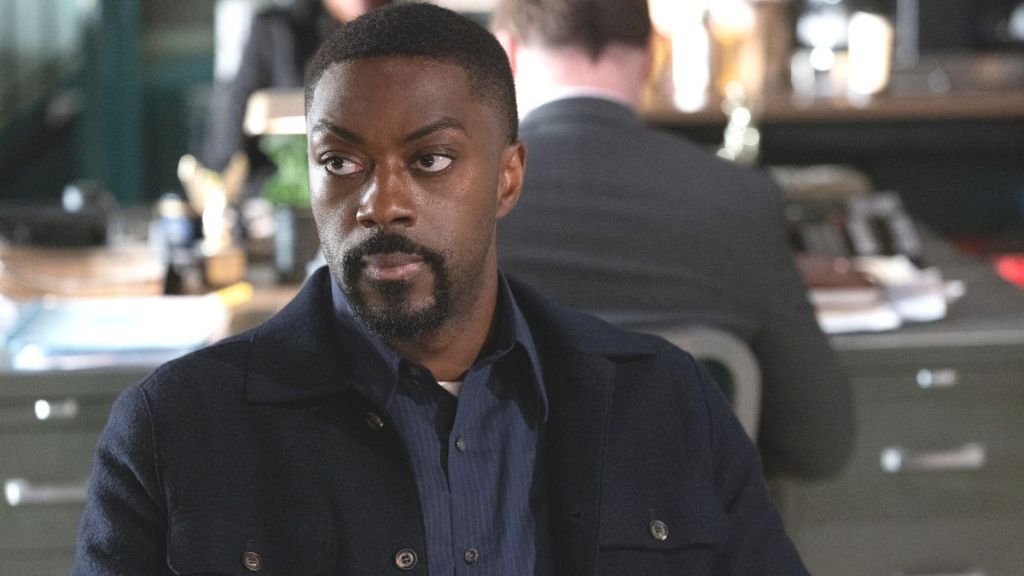
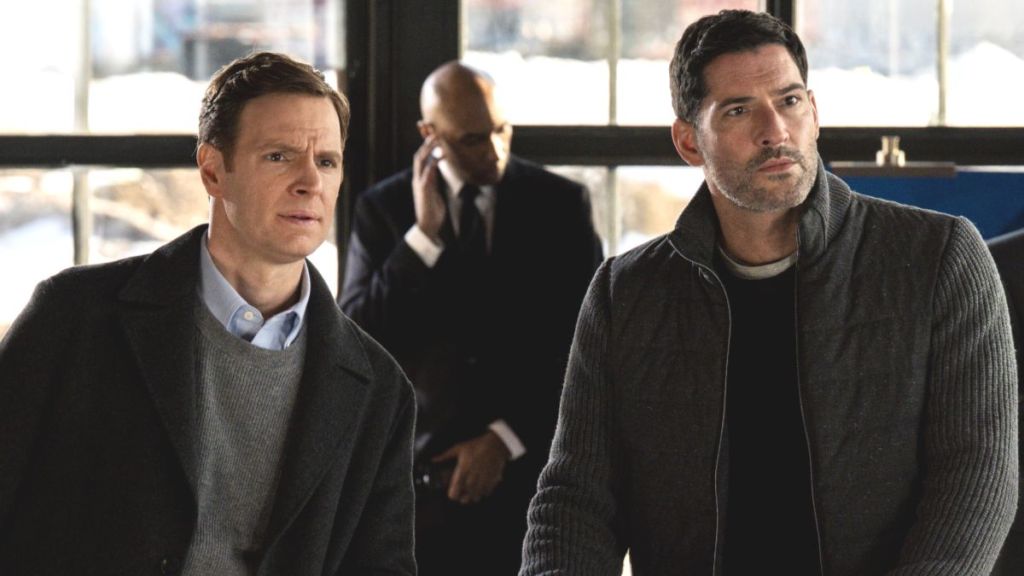
David Ajala finally made his Law & Order debut, and it was as good as expected. Ajala was announced as the successor to Mehcad Brooks before Season 25, yet his character Theo Walker didn’t actually show up at the 2-7 until Season 25, Episode 7, “Guardian.” And Ajala made the most of a polarizing first episode.
Most TV viewers know Ajala from his major role as Cleveland “Book” Booker in Star Trek: Discovery, opposite Sonequa Martin-Green (who is herself now playing a detective in CBS’ Boston Blue). Or maybe from recurring as Manchester Black on Supergirl. But Ajala has been a very underrated actor for some time. Over a decade ago, he appeared in two episodes of the British spinoff Law & Order: UK—which is itself criminally underappreciated.
From there, he was one of the leads in USA’s mind-bending, thought-provoking drama Falling Water, and his performance as Burton (along with the equally grounded work of co-stars Lizzie Brochere and Will Yun Lee) was what made that show tick. More recently, Ajala appeared in BBC One’s The Jetty, playing the therapist of Jenna Coleman’s sleuth Ember Manning. And just before Law & Order, he led a wild whodunit in Epix’s Nine Bodies in a Mexican Morgue.
All this to say that Ajala has proven to be incredibly versatile, and very good at taking extraordinary things and making them relatable. So it’s an intriguing choice to cast him on Law & Order, which is known for its tried and true formula. “Guardian” saw him immediately bring a spark of personality to the proceedings. He also played well opposite his new partner Reid Scott; even though the characters were just meeting each other, the two actors seemed to fall into a back and forth rhythm pretty quickly. Law & Order, counterintuitively, is at its best when the actors find ways to add an extra something to the playbook—and Ajala is able to do that.
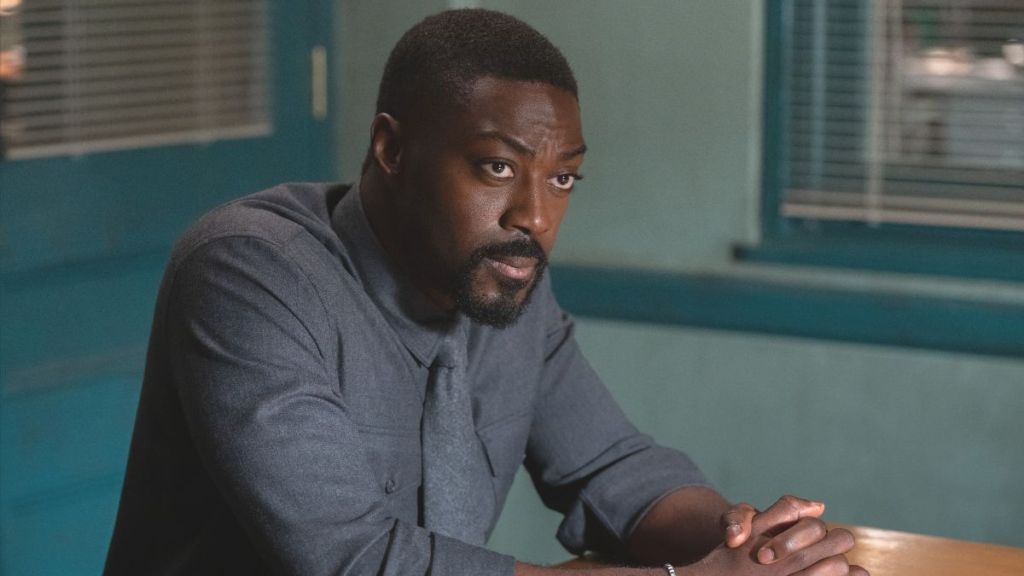
Unfortunately, the same can’t be said for his character. Detective Theo Walker got a rough first impression in “Guardian” that’s an example of how the Law & Order revival sometimes gets lost in its own stories. The writers frequently pull out a fourth-act twist, relying on suspense or shock to make a plot memorable instead of just staying the course. In this episode, Walker went looking for video evidence to disprove a defendant’s claim that he killed his adoptive son in self-defense. Fans saw Walker finding and reviewing said video—only to tell Assistant District Attorney Nolan Price he didn’t have anything. This “ends justify the means” story was disappointing and it wasn’t necessary, either.
“Guardian” means that audiences’ first impression of Theo Walker is as a detective who will conceal evidence. The audience’s feelings toward the case and the defendant Jim Pickett are separate from that. Walker has now been established as someone who’s willing to obfuscate. How is the audience supposed to trust him? This would have been a good plot later in the season, or next season—Law & Order detectives have been in moral quandaries plenty of times before—but not as the first impression. Not in setting the tone for Walker’s character. If he’d built up a rapport with Riley and the audience, and then found himself at this crossroads, that decision gets completely reframed. Right out of the gate, it’s a guy coming in on his first homicide case and making a choice that affects everybody. And it’s a choice that’s questionable at best.
In its original run, Law & Order may have told pretty clear-cut stories, but it had main characters whom the audience could always get behind. They made mistakes, and sometimes they were big mistakes, but there was a certain idealism in the show. An episode like “Guardian” feels very opposite to that ethos, and just as importantly, it didn’t need to be. The narrative is, at one point, trying to comment on the perception of young Black men compared to their white counterparts. Price says specifically that young Black men are perceived differently. That’s a perfectly valid and compelling story. An alternate version of this ending is Walker finding video that proves Pickett was the aggressor, giving it to Price, and Price dramatically (this is TV after all) playing it in court to discredit Pickett while making his point.
Both stories end with Pickett being convicted of Omari Kemp’s murder, so there’s no problem there. But one is straightforward food for thought about both the aforementioned issue and who young athletes can trust in a sports world now fueled even more by money. And in Walker’s debut, it makes him look even better, because he’s the guy who found the key piece of evidence. The other, the one viewers saw, ends up in a negative place casting doubt on Walker and Omari and chooses drama over what could be more impactful. That doesn’t change that David Ajala had a great first episode from an acting standpoint and that he’ll be a wonderful addition to Law & Order. But hopefully his character is able to rise up as well.
Law & Order airs Thursdays at 8:00 p.m. ET/PT on NBC. Photo Credit: Courtesy of NBC.

 TVBrittanyF.com