

Kristina Denton has worn many hats in Hollywood, which makes her an ideal person to pen the script to Hollywood Grit. A modern riff on the classic Hollywood Noir sub-genre that explores the sacrifices that some are willing to make for fame, the actress wrote the screenplay with director Ryan Curtis. It’s far from her only experience in Tinsle Town, however.
Denton has also appeared in films and TV shows, worked as a producer, and is even set to have her first book released sometime in 2026. During an interview with TVBrittanyF, Kristina Denton discussed how being an actor impacts her approach to screenwriting, how she joined the creative team of Hollywood Grit in some unexpected ways, and her upcoming memoir about working in an erectile dysfunction clinic, You Don’t Know Dick.
RELATED: Lynley stars Leo Suter and Sofia Barclay talk reinventing a British TV icon
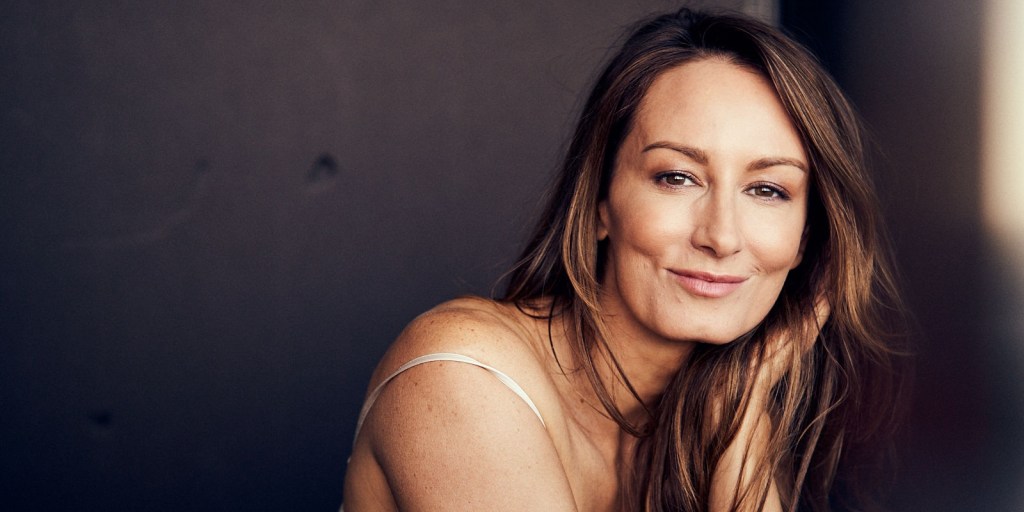
TVBrittanyF: Given how much of yourself you’ve brought to this script for Hollywood Grit, what is it like seeing it finally reach audiences?
Kristina Denton: I always get a little more nervous when people are gonna see something I wrote than anything I’ve done in acting and producing. I’m in that weird space, and I’m sure this is very normal — I’ve never had a movie in theaters that I’ve written. This is a first for me! So just to think about how I hope people are gonna like it, it’s not perfect… you have all that kind of normal vulnerability and fear of how it’s going to be presented and received.
Then I kind of rerouted my thinking, and I’m just so overwhelmed with gratitude. I came to LA to be a part of this industry, and I was able to figure out how to do the thing that I wanted to do. I feel like this is such an accomplishment for that original dream. Whether it’s received wonderfully or poorly, that isn’t really in my control, and it doesn’t matter anyway.
All that matters is that I got to be a part of this beautiful storytelling, cinematic world, even on a small independent level, and that’s a dream come true. It’s a lot of feelings all at once. They’re all good… That’s the thing. It all should be celebrated, no matter how good, bad, or indifferent [it is received]. Celebrate the fact that you made it.
What was your experience taking on Hollywood Grit?
This was such a backwards way to put a movie together [Laughter]. A lot of times, you have a script that you’re shopping around, and you’re trying to get it made by somebody who doesn’t necessarily believe in it. You try to believe in it, you try to find money on your own. There’s all that. But typically, you have this thing that you finished that you’re waiting for somebody to believe in, to make, and invest in. This was the opposite.
This time, there was an EP who funded a project that I had written with Ryan Curtis. It was a pilot. We were shopping it around, and he basically said, ‘Ryan, I want to help you make your first movie, your first feature. I’ll pay some money. We’ll shoot in LA. How about we use this person and that person, and then you guys shoot it here.’ My friend called, and said ‘I have some money and I want to shoot in LA.’ We have these certain actors to put in it. Maybe this one girl, she’s a singer, she’s not an actor.’ I was like, ‘What’s the story? Ryan?’ And he was like, ‘Well, you tell me.’
I kind of had a box they kind of built for me. And I’m like, well, let me figure out how to make this all make sense as a story. It was fascinating. That is a wild way to approach telling a story, but it was also fun and a great challenge. The first thing that stuck out was one of the actresses, who’s a singer, but I didn’t know if she’s an actor. I told her this to her face, ‘Well, I have to get you kidnapped, because I can’t risk you being a bad actor and ruining the movie.’ But knowing she’s a singer, I recalled how I grew up performing.
I sang with my dad. I was like, let me make this a daddy-daughter relationship. I pulled from that. And then boom, this idea hit me. Ryan was like, ‘Let’s go with that! Make it an action thriller. We’re gonna add the noir element, because it’s around this Hollywood nightclub.’ It felt like it was such an odd way to build this story out. But once I got into it, I started really tapping into what it’s been like to be a female in Hollywood, what the price of fame is, just kind of pulling that together made it work.
I mean, I had Linda Pearl, who just absolutely murders this role. She is so good in it. I didn’t even know she was a singer, and I had her own nightclub! And then it turns out she’s gonna sing a bit. It was so fantastic for her to be able to incorporate that side of her talent into the movie as well, and that was really fun for us to see. [It played with] the sort of pressure this old Hollywood woman feels, who thinks it doesn’t matter what you have to do. You sell your soul to be a star. But then these other girls are like, is that really the only way that we can become stars? Those two elements, I felt, very much came from me.
RELATED: The Rainmaker star Milo Callaghan puts his mark on Rudy Baylor
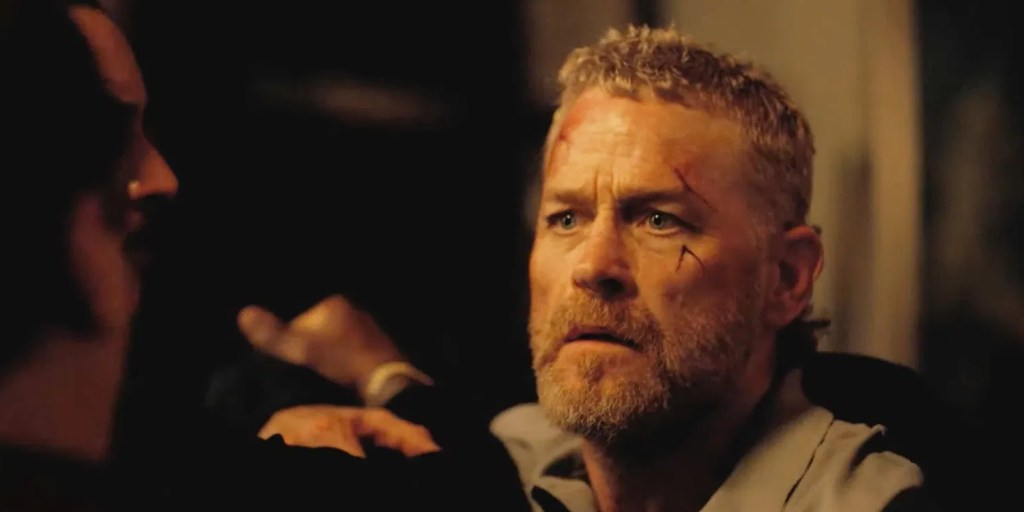
As someone who has plenty of experience on both sides of the camera, how would you say your experience as an actor impacts your approach to screenwriting?
I call myself an inside-out writer because I approach everything from character and dialogue first, because of my acting background. Everything starts with acting. For me, the writing came after that, not wanting to wait around for work as an actor. It all kind of started with creating work for myself, creating work for my friends, and just learning as I went with that. One of the cool things about Ryan and me when we partner together, that he calls himself a director and not a writer.
So he approaches everything from this kind of big story, visual, high-concept point of view on the writing. We tend to break the story together, talk about characters, and for me, everything is about a character. Then I’ll get in and actually be on the page. I’m the minutia, right? I do my thing, and he’ll read it, give me notes, and then I go back in. But I am living and I’m acting out those scenes, playing every character as I’m writing them. I have to!
I think that a lot of actors tend to love my dialogue, because I know how to write in the cadence of the way a person or that character. Especially if I know them already, I can write in their voice. That’s always a fun little cheat code. There’s a naturalness, and maybe because I was a dancer and I have a rhythmic way of storytelling anyway — especially with comedy, I feel like there’s such a cadence to dialogue, right? I think that makes me really strong with all that. But I’m still learning structure, story, all of the big stuff.
So, you’re also working on a memoir, titled You Don’t Know Dick, about your time spent working in a clinic for erectile dysfunction. What was your reaction to seeing all that?
I say this in my very opening chapter; I did not go seeking this job. It found me. I was already working at this clinic as the office manager. We were about three months into opening. There’s a wellness clinic on every corner in every strip mall in LA. They were like, how are we gonna make it? How are you gonna survive?
The owners are this husband and wife, and the husband listened to a Joe Rogan podcast, and heard about this [erectile dysfunction] service. He comes to me, he’s like, ‘Dude, this is amazing,’ And my comedy brain is like, what? He’s like, we’re gonna get certified because you’re our only employee, and you’re an actor. You can talk to different people. You’re cool! I couldn’t believe. Do you me to be a dick fixer? Because that is hilarious. Then give me more money, because it’s crazy.
As a writer, my whole thinking is studying humanity, studying our motivations. Why we do what we do. So for me, to think about being in rooms with men whose penises don’t work, I was like, this is like the biggest job I’ve ever done in my life! This is fascinating, right? I would never otherwise be privy to the emotional state of these men, to the conversations that would happen in that room. My curiosity was what made me say yes.
I expected to have some funny stories. I thought I’m gonna take notes and write a comedy pilot, which I did. I ended up writing a workplace comedy as my first impulse, because I was like, this is so funny! But then I was on the job more. I realized there’s something really fascinating there. I’m learning and I’m experiencing, and I can’t mock this. This is not something to be mocked.
This is something to be almost unveiled and uncovered. Maybe it would help bridge the gap between these toxic masculinity and toxic femininity conversations, sort of shed light from this very unique perspective onto really what is male shame and vulnerability, in a way that we don’t get to see in public. So that became this calling for me about six months. It wasn’t until I got out of the job that I realized what was happening to the relationship between me and my dad.
He had died by then — I got certified in this one-day seminar, and then he dies. So I’m spending this whole year grieving while I’m working on this job. Which is a great distraction! But it was also teaching me so much about him. He was also full of shame and pain and couldn’t show it; he was drinking… so all these daddy issues that I’d developed, I started to have context for where his pain came from just by witnessing it in other people.
It was this incredibly beautiful, spiritual view into my father and our relationship, and it blew my mind. I have to tell this story. It started as a pilot, and then the writer’s strike hit. So I was like, fine, I’m writing a book! Never got to do that before. That’s where we are now. It’s beautifully intense, but that’s life, right? Tragedy and humor, side by side, all the time. If we don’t have both, then are we really living?
Hollywood Grit is now playing in theaters
 TVBrittanyF.com