
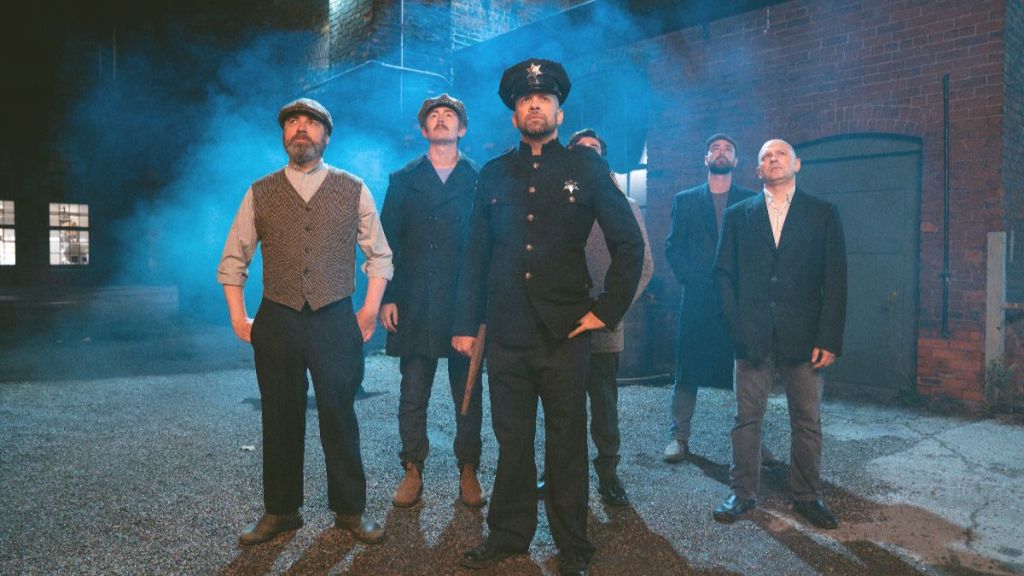
The Mega-Brands That Built America Season 3, Episode 8, “Pants on Fire” is the reason why the HISTORY show exists—and why everyone should be watching it. Most viewers probably haven’t thought about the backstory of blue jeans, and wouldn’t consider it to be relevant. But “Pants on Fire” explains how something so simple is actually very interesting, and how important it is to the whole of American culture.
This episode details the creation of blue jeans, and their transition from a work product to a daily fashion staple. It sounds like something that will be incredibly dry, because mostly when people think of clothing brands, they think of designer names in the glitzy high-fashion world. But The Mega-Brands That Built America has never been that show. One of the things that sets it apart from any docuseries, regardless of type, is that it has never chased the big name. The stories it chooses to spotlight are those that are relatable. This makes the series more accessible to an audience.
“Pants on Fire” details the rivalry between Levi’s and Lee, using the same split narrative structure that’s become the backbone of Mega-Brands. While a lot of the dramatic tension naturally comes from the battle for one brand or the other to come out on top, there are also similarities, such as both brands being born out of necessity. It helps that the protagonists on both sides are reasonably likeable, too, which gives this episode a different feel when the two become aware of one another. It winds up seeming almost collaborative, even though Levi’s and Lee are on opposite sides.
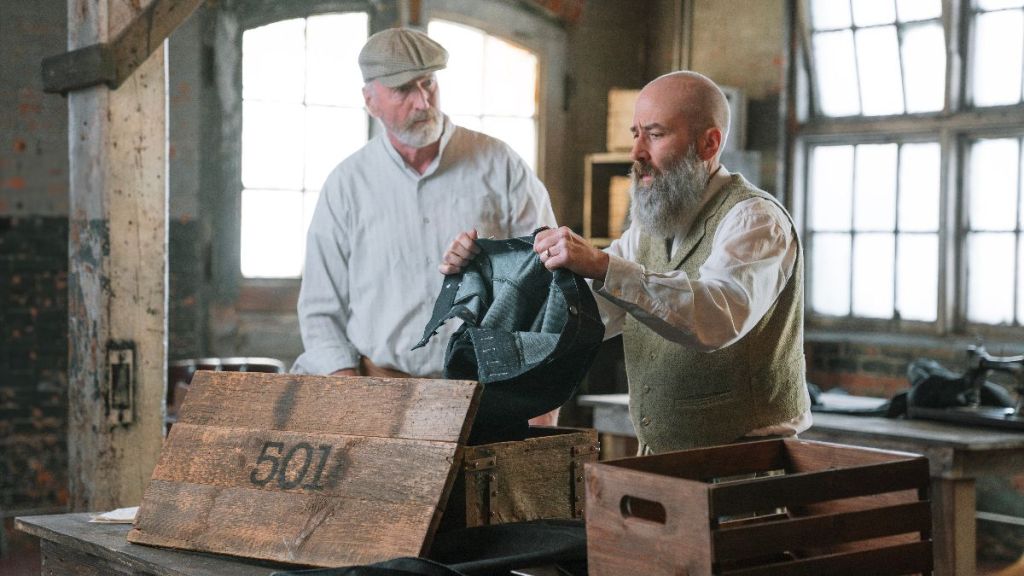
That feeling exists due to the additional layer to the episode, thanks to the number of offshoots that are within this one story. It’s not simply following the rise of the two brands and their inevitable conflict. There’s a relatively quick sidebar into how Levi Strauss and Co. moved fashion manufacturing forward by creating the first “blue jean factory,” and not long after that, an exploration of branding. The latter is particularly a giant hook for viewers, because today’s consumer treats fashion branding as a status symbol, from designer handbags to expensive sneakers.
There are other developments later on that also have wider implications. That’s actually as much of the episode than the historical narrative. That might confuse folks who are used to the installments having a straightforward beginning and end, but it works here because of the big-picture elements that can’t be ignored. It wouldn’t be a complete episode without acknowledging the innovations that came from these brands, not just their commercial success.
This episode will make viewers look at their wardrobe differently, and that’s the whole point of The Mega-Brands That Built America. It’s not just another cut and dried retelling of a story. It’s exploring culture through the lens of history, and audiences are better off understanding how these brands and the people who made them are still very much a part of our society today.
The Mega-Brands That Built America airs Sundays at 10:00 p.m. on HISTORY. Episodes from all three seasons are also streaming on the HISTORY app, history.com and on demand. Photo Credit: A&E Television Networks/Lucky8, courtesy of the HISTORY Channel.
Article content is (c)2020-2026 Brittany Frederick and may not be excerpted or reproduced without express written permission by the author. Follow me on Twitter at @BFTVTwtr and on Instagram at @BFTVGram. For story pitches, contact me at tvbrittanyf@yahoo.com.

 TVBrittanyF.com