

The deliberate pacing and strong performances in Viaplay’s Mafia elevate the Swedish series beyond many of its peers in the thriller genre. The Swedish and Serbo-Croatian crime-thriller explores both sides of the law during a tumultuous period shortly following the collapse of the USSR. Against the backdrop of Yugoslavia splintering apart and a brewing conflict in Europe, Mafia splits focus between a criminal and a cop, doing their best to adjust to the times and all the potential that comes with it.
Based on true events, Mafia is a particularly grounded riff on a crime thriller. This proves to be the right call for the six-episode mini-series, giving the characters plenty of breathing room without wasting time on the larger world-building. An impressive and gritty tale that never feels anything less than human, Mafia is an impressive showcase that proves the well-trodden tropes of the crime genre can still pack a punch in the right hands.
RELATED: Mafia director Tomas Jonsgården delves into ‘the birth of organized crime’ in Viaplay series
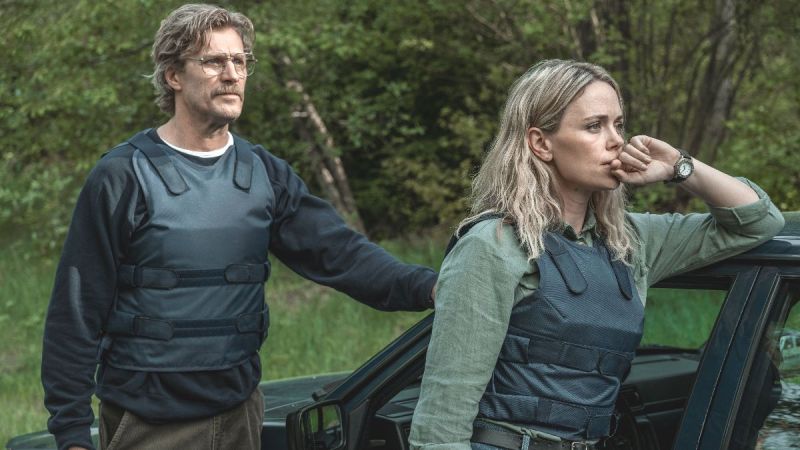
While war rages between Serbian and Croatian factions abroad and at home, low-level criminal Radovan ‘Jakov” Jakovic and police officer Gunn Philak find themselves on opposite sides of a brewing Swedish mafia. Once the two become aware of one another, they each seek to use the other for their own investigation and rise to power, respectively.
Katia Winter plays Gunn Philak with a realistic edge to a potentially one-note police officer archetype, bristling against the police structure that refuses to listen to her. She’s never less than compelling, especially as she struggles to make her peers and superiors recognize the truth of her observations and the dangerous potential of the smugglers they’re hunting.
However, the real draw of the show is Jakov, who, across the six-episode mini-series, develops into one of Sweden’s most notorious gangsters. Peshang Rad is the highlight of the series, bringing an understated humanity and believably cold edge to the character. A lot of the show’s best character beats come from the dynamics between Jakov and his “brother from another mother,” Goran (Nemanja Stojanovic), a bond that’s established early on and remains crucial to what the show is trying to say about people.
Mafia knows when to pull out all the stops and when to pull back, letting the natural tension between the performers carry the scene. When the show needs to ratchet things up, though, it isn’t afraid to take some very violent turns. Mafia‘s tight plotting and pacing ensure that there isn’t an ounce of fat on the miniseries, keeping it moving along at a compelling clip.
As Gunn and Jakov circle one another, they each seek to use the other to improve their respective situations. The result is an intriguing riff on the crime thriller archetypes that never feels like it’s letting one side be glorified or vilified too far. Each episode charts a different year in the conflict, with a tense and tightly designed slow burn that builds in all the right ways.
The direction by Tomas Jonsgården and Mani Maserrat Agah (both of whom helm three episodes of the miniseries) is particularly strong, with a tendency to keep things painfully grounded regardless of whether it’s an intense criminal act or a simple dinner. The result is a show that never backs away from the harsher human realities of any given situation. Even as the criminal conspiracy becomes more ambitious, the show never stops feeling real, which is what a good crime thriller needs to achieve to be effective.
Mafia isn’t exactly breaking new ground, but it approaches real-life history and its crime film archetypes with a strong sense of empathy and humanity. Every heist feels like a risk, every choice potentially upending the entire criminal ecosystem. Mafia is a strong crime thriller that fans of the genre have to check out — but any lover of a good character drama will find plenty to like in the miniseries.
Mafia is now streaming on Vidplay
 TVBrittanyF.com