

Glenn Barton has moved on from A&E’s The First 48—now the show has to figure out how to move on without him.
The fan-favorite detective left the Mobile Police Department in Season 24, Episode 7, “Lost and Found,” which automatically ended his tenure on the true crime show. But during his four years in Mobile Homicide, Barton had an obvious impact that extended to viewers of the series. He played a very unique role both within his unit and in the makeup of The First 48, and in his absence, the show is going to need to once again evolve itself to replace his philosophical outlook and irrepressible spirit.
Barton was not originally part of Mobile Homicide when they made their debut at the end of Season 18; his arrival was one of several that expanded the unit and helped it to flourish. The New York native had the distinction of having two back-to-back featured episodes: Season 21, Episode 14, “Carnage in the Streets” and Episode 15, “Late Night Ambush / Fire & Fury.” In retrospect, it makes perfect sense that Barton would break out that way; that wasn’t the last thing First 48 viewers would see him do differently. Every detective on The First 48 brings something to the tableau of the program, yet Glenn Barton really did extend it just a little bit further.
Glenn Barton Gave Voice to The First 48‘s Audience

Barton leaving didn’t come as a shock to anyone who follows along with First 48-related happenings; news of his exit had broken months before “Lost and Found” aired. But it immediately changed the tone of the whole show. After the quasi-departure of Tulsa homicide detective Justin Ritter, The First 48 needed someone to take up Ritter’s position as the audience stand-in. Ritter added another layer to the series by being willing to say what the viewer was thinking and by providing his sense of humor. Through him, the audience felt as if they had a place in the show, and they were able to not be crushed under the cold weight that permeates most true crime programs.
Following Ritter’s promotion, Barton stepped into that narrative void. He had Ritter’s outspoken personality mixed with Matt Frazier’s enthusiasm—and then some. There’s never been anyone on The First 48 more excited about being a homicide detective than Glenn Barton. So many of the detectives love their jobs and some have worked their whole lives to be in homicide, but Barton seemed like he was having the best time 90 percent of the time, even if he was just in the background of someone else’s episode. That levity is one of the reasons The First 48 is a cut above other true crime shows. The entire genre tilts excessively toward darkness, as if dealing with serious subjects means programs must emphasize angst and loss—sometimes to the point of shock value. But through Ritter and later Barton, The First 48 showed that being a homicide detective isn’t a completely grim profession. It comes with moments of joy, humor and even absurdity.
Barton became the audience’s surrogate because he embraced all those moments. He never hesitated to tell suspects how they were behaving in episodes like “Final Celebration” and “The Abnormals,” and he regularly shared his feelings with his colleagues and the audience. Barton was second only to Tulsa’s veteran Jason White in being able to explain things to camera, and he had a philosophical side unlike anyone else. Barton opined about people solving their disagreements with guns, wore his emotions on his sleeve and was never shy about admitting his own shortcomings, such as when he revealed off the bat in “Fire & Fury” that he’d never investigated an arson case and would have to rely on other people for help. He let viewers—and pretty much everyone—into his head and into his heart just because that was his personality.
Barton was never short of words. Yet the most Glenn Barton scene happened during Season 22, Episode 19, “Street Life,” when a suspect threw up in Mobile Homicide’s interview room. While everybody else cringed, Barton calmly declared, “There’s been so many people that have puked on that carpet.” No one asked—but it was a laugh-out-loud moment that immediately nullified the discomfort. And it was clear he wasn’t trying to loosen everyone up; it was simply in his nature to comment on such a random event. It would have been strange if he hadn’t said something.


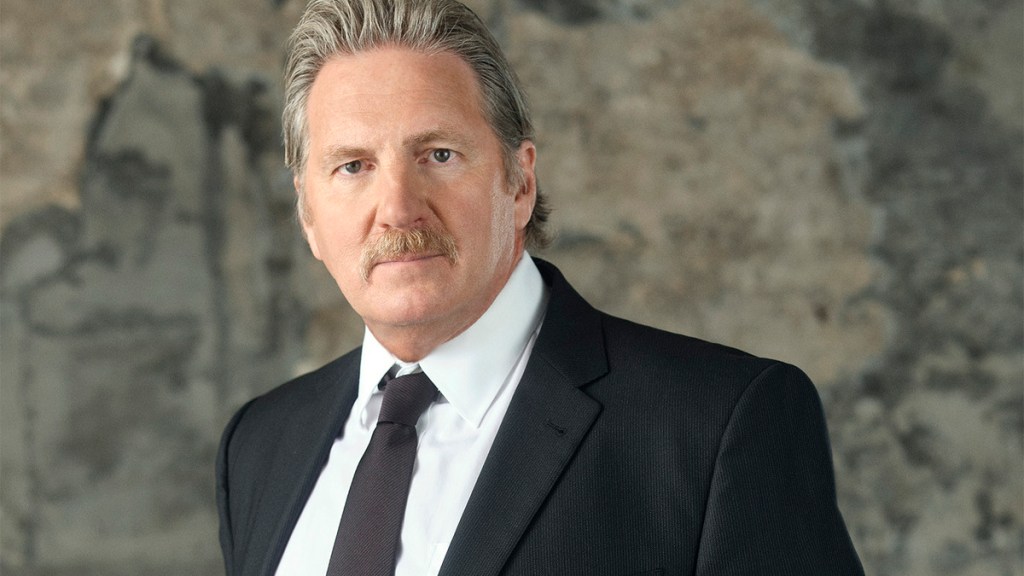
How Glenn Barton Positively Changed the World of True Crime
The one quality Barton’s colleagues mentioned most about him was his energy. “You want everything right now,” Corporal Julius Nettles quipped to him in Season 21, Episode 43, “The Devil You Know,” and Barton agreed with him. In another episode, he was so pumped to identify a suspect that Sergeant Kenneth Gillespie offered to get him ice cream if he could do it in five minutes. He didn’t, but that scene cemented Barton’s reputation for going full speed at everything. He raised the energy level of the entire unit—and of the show whenever he was on screen. When discussing a subject as critical as homicide, it meant something to see Barton and Corporal Jermaine Rogers bringing their positivity to combat that pain. True crime viewers appreciate those heroes whose personality lights up the darkness. They are the reminder that there is hope and that it’s worth fighting—whether you’re investigating a murder or struggling in your own life.
Barton’s spirituality was also part of The First 48, allowing viewers to see an intersection between officers’ faith and their function that isn’t typically part of the true crime genre. Religion and politics are always hot-button topics; just look at some viewers’ reaction to Season 19’s “Unspeakable” including the 2016 Presidential race. In contrast, audiences saw how Barton’s faith helped him serve the community of Mobile better. It informed how he viewed his work and enabled him to connect with at least one suspect. The most poignant scene in Season 23’s “Unforgotten: Mothers and Sons” was Barton’s heart-to-heart conversation with a man arrested for his mother’s murder. “I’m a pretty strong believer in the Bible and what it taught about forgiveness,” he told the suspect before quoting scripture. While he obviously wanted the man to open up about the crime, he was also genuinely making an effort to comfort him. That moment wasn’t detective to suspect; it was one human being to another, and Barton reaffirmed his encouragement during booking, when he told the man he’d be praying for him.
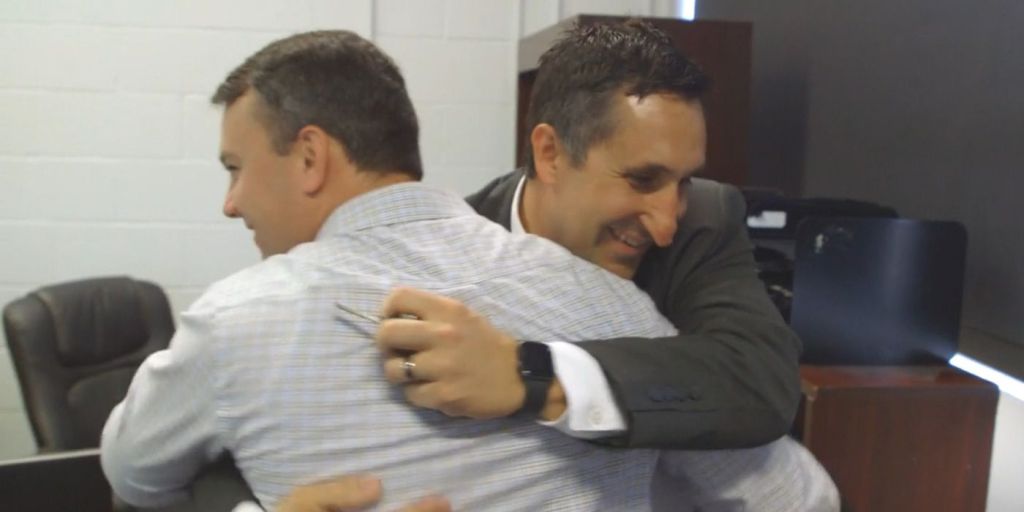
That open heart also allowed Barton to form almost mentor-like friendships with two detectives who came after him: Detective Rory Graves and Detective Kenyada “KeeKee” Taylor. Everyone in Mobile Homicide treated each other warmly, but Barton’s interactions with Graves and Taylor showed that they learned from him and that he wanted them to succeed. It was another very Barton thing that when he departed, he didn’t just say goodbye or leave on a handshake; he gave Graves a hug. Barton hugged his colleagues, he embraced The First 48‘s audience, and he embraced life even in the face of death.
True crime doesn’t have someone else that emotionally or spiritually open. Most of the genre focuses on the crimes and their fallout; The First 48 is unique in its focus on the people involved, and that’s why it’s now in its 24th season. Barton’s personality meant he brought those other aspects to the show—regularly looking at the big picture, bringing his faith to his calling and being able to lift up everyone. He was the antithesis of what many people believe cops to be. The best part of The First 48 is that it shows law enforcement is not one faceless institution; it’s very much individual. Glenn Barton brought himself so completely to being a Mobile homicide detective that anyone who watched him had to change their idea of who a homicide detective is. Thanks to people like him, Det. White, Cpl. Nettles and Sgt. Nathan Schilling, audiences are seeing a whole new and more authentic version of policing.
While Barton moves into the next chapter of his law enforcement career, his new employer is very lucky to have him. As part of The First 48, he brought hope and joy to the most difficult kind of true crime, and gave viewers some of their own faith back. The series never has an easy time replacing detectives, but it’s going to be a long while before it has one as bright as Glenn Barton. Gillespie said it best: “With his energy level, his commitment, his dedication all together in one package, we’ll never find someone who can rise to the level of ol’ GB.”
The First 48 airs Thursdays at 8:00 p.m. on A&E. Past episodes are streaming on the A&E app, A&E Crime Central, Discovery+, Hulu, Peacock and Pluto TV.
Article content is (c)2020-2026 Brittany Frederick and may not be excerpted or reproduced without express written permission by the author. Follow me on Twitter at @BFTVTwtr and on Instagram at @BFTVGram. For story pitches, contact me at tvbrittanyf@yahoo.com.

 TVBrittanyF.com